-

Jakarta time: Thursday, January 27, 2022, 8:00am to 9:30am

Southeast Asia is famously diverse.  Yet, all the ASEAN member states have committed themselves to ASEAN Community, including ASEAN Political and Security Community, with the expressed commitment to protect and promote democratic principles, human rights and good governance.

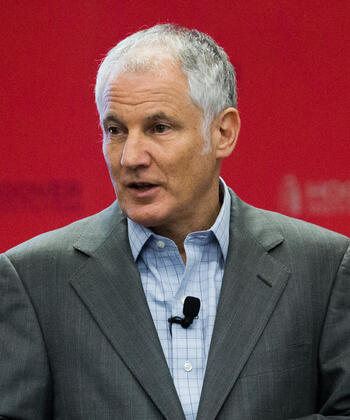
As democracy retreats around the world, will autocracy spread throughout Southeast Asia?  How can countries of Southeast Asia navigate the complex dynamics between protection and promotion of democratic principles and human rights on the one hand, and the principle of non-interference in internal affairs on the other?  How can they navigate the similarly complex dynamic between protection and promotion of democratic principles and human rights on the one hand, and the geopolitical tensions and rivalries currently prevailing in the region?   Does ASEAN matter? Few are better positioned by knowledge and experience than former Indonesian foreign minister Marty Natalegawa to address these and related questions.
 
Image
Marty Natalegawa 102722
In addition to his productive record as Indonesia’s foreign minister (2009-2014), Dr. R. M. Marty M. Natalegawa has served his country in multiple high-level diplomatic positions, including as ambassador to the UN and the UK and as his foreign ministry’s Director General for ASEAN Cooperation. He holds a PhD from ANU, an MPhil from the University of Cambridge, and a BSc from the London School of Economics and Political Science. 

Via Zoom Webinar
Register: bit.ly/3K2zEZu

Marty Natalegawa Distinguished Fellow, Asia Society Policy Institute, and former Minister of Foreign Affairs, Indonesia
Seminars
-

Bhutan time: Friday, February 4th, 2022, 8am to 9am.

Asia Health Policy Program (AHPP) 2021-22 Colloquium series "Aligning Incentives for Better Health and More Resilient Health Systems in Asia”

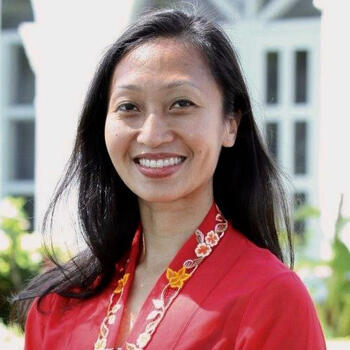
The Minister of Health of Bhutan, Her Excellency Dasho Dechen Wangmo, will share her insights and experiences from managing the national health system during the COVID-19 crisis, serving as President of the 74th World Health Assembly, and her views on health system strengthening, innovative primary care, chronic disease control, health governance, and the global implications of the pandemic as it unfolds in its third year.

Image
Bhutan Health Minister 010522
Her Excellency Dasho Dechen Wangmo, the only female Minister in the current cabinet of Bhutan, formally took charge of the Ministry of Health on 7th November 2018. Prior to joining politic in 2018, Her Excellency worked as a public health international consultant with primary focus on health systems, governance, policy and strategic planning for governments and civil societies in many countries (USA, India, Nepal, Bangladesh, PNG, Myanmar, Sri Lanka, Thailand, Senegal). She brings her background working on various global health issues including health system strengthening, health governance, grant implementation, monitoring and evaluation system to the current portfolio.

On 17th December 2020 in recognition of her outstanding service to the Nation, she was conferred the “Red Scarf”, one of highest honors a Bhutanese civilian can receive, by His Majesty the King. Her Excellency is a passionate public health advocate and social worker at heart. Hon’ble Lyonpo was nominated as the President of the 74th World Health Assembly (WHA) by Member States of the WHO’s South East Asia Region in 2020. She will hold the office of the President for a duration of one year and it is an honour bestowed on Bhutan for the first time since it became a member of the WHO in 1982.

In addition to her memberships in professional organizations, she is also a founder of the Bhutan Cancer Society, a CSO working for the well being of cancer patients in Bhutan, and a founding chairperson for Lhaksam, the HIV-positive network in the country. Her Excellency has a Master in Public Health (MPH) from Yale School of Public Health, New Haven, USA, and a Bachelor in Cardiopulmonary Science (magna cum laude) from Northeastern University, Boston, USA.

Via Zoom Webinar
Register: bit.ly/3G0tR4i

Her Excellency Lyonpo Dechen Wangmo Minister of Health of Bhutan
Seminars
-

This is a virtual event. Please click here to register and generate a link to the talk. 
The link will be unique to you; please save it and do not share with others.


What is the relationship between internal development and integration into the global economy in developing countries? How and why do state–market relations differ? And do these differences matter in the post-Cold War era of global conflict and cooperation? Drawing on research in China, India, and Russia and examining sectors from textiles to telecommunications, Micro-Institutional Foundations of Capitalism introduces a new theory of sectoral pathways to globalization and development. Adopting a historical and comparative approach, Hsueh's Strategic Value Framework shows how state elites perceive the strategic value of sectors in response to internal and external pressures. Sectoral structures and organization of institutions further determine the role of the state in market coordination and property rights arrangements. The resultant dominant patterns of market governance vary by country and sector within country. These national configurations of sectoral models are the micro-institutional foundations of capitalism, which mediate globalization and development.


Image
Portrait of Roselyn Hsueh
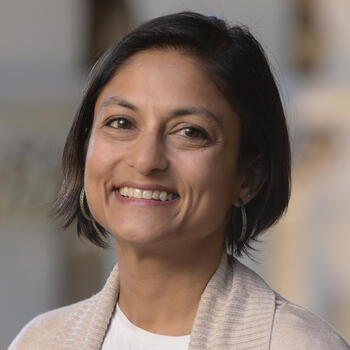
Roselyn Hsueh is an associate professor of political science at Temple University, where she co-directs the Certificate in Political Economy. She is the author of Micro-Institutional Foundations of Capitalism: Sectoral Pathways to Globalization in China, India, and Russia (Cambridge University Press, forthcoming, 2022), China’s Regulatory State: A New Strategy for Globalization (Cornell University Press, 2011), and scholarly articles on states and markets, comparative regulation and governance, and political economy of development. She is a frequent commentator on politics, finance and trade, and economic development in China and beyond. BBC World News, The Economist, Foreign Affairs, National Public Radio, and The Washington Post, among other media outlets, have featured her research. Prestigious fellowships, such as the Fulbright Global Scholar Award, have funded international fieldwork and she has served as a Visiting Scholar at the Institute of World Economics and Politics, Chinese Academy of Social Sciences. She holds a B.A. and Ph.D. in Political Science from the University of California, Berkeley.


Via Zoom Webinar. Register at: https://bit.ly/3zoAafx

Roselyn Hsueh Associate Professor of Political Science, Temple University
Seminars
Shorenstein APARC Encina Hall E301 Stanford University
1
Visiting Scholar at APARC, 2021-2022
huijun_cynthia_chen.jpeg Ph.D

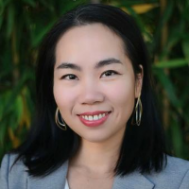
Dr. Cynthia Chen joined the Walter H. Shorenstein Asia-Pacific Research Center (APARC) as visiting scholar with the Asia Health Policy Program during the 2022 winter and spring quarters. She is an Assistant Professor at the National University of Singapore (NUS). Her current research focuses on the well-being and older adults, healthcare financing, and the economics of ageing. She is interested in how demographic, economic and social changes can affect the burden of care, financing needs and optimal resource allocation in the future. Her research has been supported by the Singapore’s Ministry of Health, Ministry of Education, the US National Institutes of Aging, and the Thai Health Promotion Foundation among others. To date, she has published more than 45 internationally peer-reviewed journals on societal ageing, the burden of chronic diseases, and cost-effectiveness research. Dr. Chen obtained her Ph.D. in Public Health, Masters and BSc in Statistics from NUS.

News Type
News
Date
Paragraphs

In October 2021, Stanford Precourt Institute for Energy, SCPKU, and the China Program with Peking University’s Institute of Energy organized closed-door roundtables to promote China and the United States' decarbonization and carbon neutrality. The topics covered climate change, global sustainable finance, corporate climate pledges, opportunities and challenges, the power, transportation, and industry sectors. The full report can be found in the link.

Hero Image
China Climate change
All News button
1
Date Label
Paragraphs

In this chapter from Alliances, Nuclear Weapons and Escalation: Managing Deterrence in the 21st Century,  Oriana Skylar Mastro argues that there are several reasons to suspect that the nuclear dynamics between the US and China are different from those that existed between the Soviet Union and the US during the Cold War. For one, China’s approach to nuclear weapons is fundamentally different from the US and Soviet approaches of assured destruction capability. Instead, China’s policy of assured retaliation with a no-first-use pledge, designed to deter nuclear attack and coercion, reduces the strategic importance of nuclear weapons in the bilateral relationship.

Mastro notes that the great power nuclear relationship also impacts US allies differently. She points out that European countries are committed to collective defence, but no North Atlantic Treaty Organization – style construct exists between US allies in Asia. Additionally, key US European allies such as France and the United Kingdom have their own nuclear capabilities while Asian allies rely exclusively on the US to deter nuclear attack against their countries.

Her chapter evaluates the role that nuclear deterrence plays in the US–China strategic relationship. It lays out the pathways to conflict and the implications for nuclear use, evaluates how allies influence nuclear dynamics (the conditions under which nuclear weapons would most likely be used and how) and explores how escalation to nuclear conflict may affect US allies in the region depending on their level of involvement in the contingency. In doing so, Mastro highlights that, when it comes to nuclear use, there is a sizeable difference between what is possible (the operational realities) and what is plausible (the strategic logic behind potential use).

All Publications button
1
Publication Type
Book Chapters
Publication Date
Subtitle

From Alliances, Nuclear Weapons and Escalation: Managing Deterrence in the 21st Century, edited by Stephan Frühling and Andrew O’Neil, published 2021 by ANU Press, The Australian National University, Canberra, Australia.

Authors
Oriana Skylar Mastro
Book Publisher
Australian National University Press
-

Few aspects of society are being transformed by technology more than health and medical care, with health systems challenged to finance and deliver affordable access to a burgeoning array of technologies enabling longer, healthier lives. Three speakers will address different and complementary aspects of how several Asian health systems create, evaluate, and regulate transformative technologies. Dr. Masuda’s research probes policies governing domestic and cross-border control and sharing of genetic information for medical innovation. Dr. Ahn will discuss health technology assessment (HTA) for pricing and reimbursement decisions in South Korea, where there is a young yet established HTA program, compared to Japan, where a 3-year HTA pilot program has just concluded, and China, where HTA efforts are underway but have not been formally implemented. Finally, Dr. Ho will discuss the emergence of digital medicine enabling N-of-1 regimen design for patients. Truly individualizing patient treatment requires addressing a series of challenges, from dynamic patient response to treatment regimens, to accounting for drug synergies in combination therapies which can be dose-dependent, time-dependent, and patient-specific, such as in oncology. Dr. Ho will summarize several clinical studies aiming to increase accessibility to personalized, precision medicine while reducing healthcare costs.

Image
Masuda, Sachiko 020822
Sachiko Masuda is a Visiting Scholar at the Walter H. Shorenstein Asia-Pacific Research Center (Shorenstein APARC) for the 2021-22 academic year and an Associate Professor at the University of Tokyo, Research Center for Advanced Science and Technology.  Masuda is dedicated to the study of legal systems, regulations, infrastructure and industrial structures necessary for advances in technology and a safer society, especially in the pharmaceutical and medical fields. At Shorenstein APARC, she is conducting a comparative Japan-U.S. study on "Human Genetic Information for Medical Innovation: Examining Policy Issues Related to Ensuring Domestic and Transnational Sharing and Management" supported by the ABE Fellowship Program of the Social Science Research Council. Masuda received a Ph.D. (specializing in intellectual property law) in 2006 and a B.S. in Pharmaceutical Sciences in 1997 from the University of Tokyo.

Image
Ahn, Jeonghoon 020822
Dr. Jeonghoon Ahn is a full professor at the Ewha Womans University (Seoul, Korea) and an adjunct fellow at the National Evidence-based healthcare Collaborating Agency (NECA), Seoul, Korea. He is an expert on health technology assessment (HTA) and health economics. He worked 7 years in NECA and served in various decision making and advisory committees of public agencies such as the Health Insurance Review and Assessment Services (HIRA) and the Korean Centers for Disease Control (KCDC). Professor Ahn has graduated the Seoul National University Department of International Economics for undergraduate and master program. He also received a PhD in Economics from the University of Southern California (USC) and was an assistant professor of pharmaceutical economics and Policy at the USC. Dr. Ahn has served on many international professional organizations such as ISPOR, HTAi, INAHTA, and HTAsiaLink. He is the Chair of the ISPOR Asia Consortium (2020-2022) and was a president of ISPOR Korea Chapter (2012-2014). Dr. Ahn was elected as a board director of the Health Technology Assessment International (HTAi) (2014-2016) and a board director for the International Network of Agencies for Health Technology Assessment (INAHTA) for three times (2012-2016). He also contributed to form a regional Health Technology Assessment agency network, the HTAsiaLink (www.htasialink.org), along with other experts in the region.

Image
Ho, Dean 020822
Professor Dean Ho is currently Provost’s Chair Professor, Director of The N.1 Institute for Health (N.1), Director of The Institute for Digital Medicine (WisDM) and Head of the Department of Biomedical Engineering at the National University of Singapore. Prof. Ho and collaborators successfully developed and validated CURATE.AI, a powerful digital medicine platform that has optimized human treatment for broad indications ranging from oncology to infectious diseases. He co-led the first inhuman clinical trials that have resulted in completely halted disease progression and durable patient responses that substantially outperformed standard of care approaches. Prof. Ho is a Fellow of the US National Academy of Inventors (NAI), the American Institute for Medical and Biological Engineering (AIMBE), and the Royal Society of Chemistry. He was also recently named to the HIMSS Future50 Class of 2021 for his internationally-recognised leadership in digital health. His discoveries have been featured on CNN, The Economist, National Geographic, Forbes, Washington Post, NPR and other international news outlets. Prof. Ho is also a Subgroup Lead in the World Health Organization (WHO)-ITU AI for Health Working Group for Regulatory Considerations. Prof. Ho is a recipient of the Tech Heroes from Crisis Pathfinder Award from the Singapore Computer Society, NSF CAREER Award, Wallace H. Coulter Foundation Translational Research Award, and V Foundation for Cancer Research Scholar Award, among others. He has also served as the President of the Board of Directors of the Society for Laboratory Automation and Screening (SLAS), a 26,000+ member global drug development organization.

Image
ahpp_-_aparc_winter_webinar_series_2022
This event is part of the 2022 Winter webinar series, New Frontiers: Technology, Politics, and Society in the Asia-Pacific, sponsored by the Walter H. Shorenstein Asia-Pacific Research Center.

Via Zoom Webinar
Register: https://bit.ly/3GGqOhv

Shorenstein APARC Encina Hall Stanford University
1
Visiting Scholar at APARC, 2021-2022
sachiko_masuda.jpg PhD

Sachiko Masuda joined the Walter H. Shorenstein Asia-Pacific Research Center (Shorenstein APARC) during the 2021-22 academic year from the University of Tokyo, Research Center for Advanced Science and Technology, where she serves as an associate professor.

Masuda is dedicated to the study of legal systems and regulations, infrastructure, and industrial structures necessary for advances in technology and a safer society, especially in the pharmaceutical and medical fields. During her time at Shorenstein APARC, Masuda conducted a comparative study between the US and Japan regarding “Human genetic information for medical innovation: Examining policy issues related to domestic and cross-border sharing and ensuring control” with Professor Karen Eggleston.

Masuda received a Ph.D. in Arts and Sciences (specializing in intellectual property law) in 2006 and a B.S. in Pharmaceutical Sciences in 1997 from the University of Tokyo. She is a registered patent attorney and pharmacist in Japan.

2021-2022 Walter H. Shorenstein Asia-Pacific Research Center Visiting Scholar, Stanford University.
Jeonghoon Ahn Professor, Ewha Womans University, and Adjunct Fellow, National Evidence-based Healthcare Collaborating Agency, Seoul, Korea.
Dean Ho Provost’s Chair Professor, Director, N.1 Institute for Health (N.1) and Institute for Digital Medicine (WisDM), Head, Department of Biomedical Engineering, National University of Singapore
Seminars
Authors
Noa Ronkin
News Type
News
Date
Paragraphs

The Walter H. Shorenstein Asia-Pacific Research Center (APARC), Stanford University’s hub for interdisciplinary research, education, and engagement on contemporary Asia, invites nominations for the 2022 Shorenstein Journalism Award. The award recognizes outstanding journalists who have spent their careers helping audiences worldwide understand the complexities of the Asia-Pacific region. The 2022 award will honor a recipient whose work has primarily appeared in American news media. APARC invites 2022 award nomination submissions from news editors, publishers, scholars, journalism associations, and entities focused on researching and interpreting the Asia-Pacific region.  Submissions are due by Tuesday, February 15, 2022.

Sponsored by APARC, the award carries a cash prize of US $10,000. It alternates between recipients whose work has primarily appeared in Asian news media and those whose work has primarily appeared in American news media. The 2022 award will recognize a recipient from the latter category. For the purpose of the award, the Asia-Pacific region is defined broadly to include Northeast, Southeast, South, and Central Asia and Australasia. Both individual journalists with a considerable body of work and journalism organizations are eligible for the award. Nominees’ work may be in traditional forms of print or broadcast journalism and/or in new forms of multimedia journalism. The Award Selection Committee, whose members are experts in journalism and Asia research and policy, presides over the judging of nominees and is responsible for the selection of honorees.

An annual tradition since 2002, the award honors the legacy of APARC benefactor, Mr. Walter H. Shorenstein, and his twin passions for promoting excellence in journalism and understanding of Asia. Over the course of its history, the award has recognized world-class journalists who push the boundaries of coverage of the Asia-Pacific region and help advance mutual understanding between audiences in the United States and their Asian counterparts. Recent honorees include Burmese journalist and human rights defender Swe Win; former Wall Street Journal investigative reporter Tom Wright; the internationally esteemed champion of press freedom Maria Ressa, CEO and executive editor of the Philippine news platform Rappler and winner of the 2021 Nobel Peace Prize; former Washington Post Beijing and Tokyo bureau chief Anna Fifield; and Editor of the Wire Siddharth Varadarajan.

Award nominations are accepted electronically through Tuesday, February 15, 2022, at 11:59 PM PST. For information about the nomination procedures and to submit a nomination please visit the award nomination entry page. The Center will announce the winner by April 2022 and present the award at a public ceremony at Stanford in the autumn quarter of 2022.

Please direct all inquiries to aparc-communications@stanford.edu.

Read More

Burmese journalist Swe Win
News

‘There Is No Space Left for Any Freedom’: Shorenstein Journalism Award Recipient Swe Win Depicts Myanmar’s Return into Darkness

Amidst the crisis in Myanmar, Burmese investigative journalist Swe Win, editor-in-chief of the independent news outlet Myanmar Now, continues to lead the newsroom from exile while his team is in hiding.
‘There Is No Space Left for Any Freedom’: Shorenstein Journalism Award Recipient Swe Win Depicts Myanmar’s Return into Darkness
Autumn scene on the Stanford campus with a call to apply for APARC's 2022-23 fellowships for Asia schoalrs
News

APARC Announces 2022-23 Fellowships for Asia Specialists

The Center offers fellowships for postdoctoral scholars specializing in contemporary Asia, Japan, and Asia health policy and for experts on Southeast Asia.
APARC Announces 2022-23 Fellowships for Asia Specialists
North Korea Conundrum Book cover
News

How to Solve the North Korean Conundrum: The Role of Human Rights in Policy Toward the DPRK

APARC's new edited volume, 'The North Korean Conundrum,' shines a spotlight on the North Korean human rights crisis and its connection to nuclear security. In the book launch discussion, contributors to the volume explain why improving human rights in the country ought to play an integral part of any comprehensive U.S. engagement strategy with the DPRK.
How to Solve the North Korean Conundrum: The Role of Human Rights in Policy Toward the DPRK
Hero Image
Stanford arch and text calling for nominations for APARC's 2022 Shorenstein Journalism Award.
All News button
1
Subtitle

Sponsored by Stanford University’s Shorenstein Asia-Pacific Research Center, the annual award recognizes outstanding journalists and journalism organizations for excellence in coverage of the Asia-Pacific region. News editors, publishers, scholars, and organizations focused on Asia research and analysis are invited to submit nominations for the 2022 award through February 15.

Paragraphs

Following the 2021 Taihe Civilizations Forum, the Taihe International Communications Center hosted an online discussion on October 8 that captures the candid and profound reflections of senior officials whose actions have shaped the course of ties between China and the United States.

Dr. Thomas Fingar, Shorenstein APARC Fellow in the Freeman Spogli Institute for International Studies at Stanford University, former Chairman of the National Intelligence Council, and former Assistant Secretary of State, and Senior Colonel Zhou Bo (ret.), Senior Fellow at Center for International Security and Strategy at Tsinghua University, China Forum Expert, and former Director of Center for Security Cooperation of the Office for International Military Cooperation of Ministry of National Defense, were invited to join this dialogue.

During their conversation, Dr. Fingar and Senior Colonel Zhou exchanged ideas on important topics such as the current state of China-U.S. relations, the future development of the two countries' bilateral ties, the rationale behind the US foreign policy and the American alliance system, as well as the "extreme competition" that China and the U.S. are trapped in. 

All Publications button
1
Publication Type
Commentary
Publication Date
Subtitle
A Dialogue between Dr. Thomas Fingar and Senior Colonel Zhou Bo (ret.) on the Current State of China-U.S. Relations
Authors
Thomas Fingar
-

Asia Health Policy Program (AHPP) 2021-22 Colloquium series "Aligning Incentives for Better Health and More Resilient Health Systems in Asia”

How can policymakers quantify the net value of medical spending? For what medical conditions has the “bang for the buck” been greatest, and for what conditions has spending outstripped gains in health improvement? Join this virtual workshop to learn about cutting-edge methods that can be applied to health system data to understand the net value of changes in medical spending over time, and how policymakers can track the effectiveness of policies to increase productivity of medical spending. In addition to several Asian policymakers already involved, virtual workshop participants will have the opportunity to pose questions to the expert speakers about applying these methods to their own health system settings, including advice about data, outcomes, and relevance for specific policy questions.

Image
Cutler, David
David Cutler is the Otto Eckstein Professor of Applied Economics in the Department of Economics, Harvard University, with secondary appointments at the Kennedy School of Government and the School of Public Health. He was associate dean of the Faculty of Arts and Sciences for Social Sciences from 2003-2008. Professor Cutler served on the Council of Economic Advisers and the National Economic Council during the Clinton Administration and has advised several presidential campaigns, including as Senior Health Care Advisor for the Obama Presidential Campaign. He is a Research Associate at the National Bureau of Economic Research and a member of the Institute of Medicine, and he has held positions with the National Institutes of Health and the National Academy of Sciences

Image
Dunn, Abe
Abe Dunn is the Assistant Chief Economist at the Bureau of Economic Analysis.  His work has focused on the production and development of a new satellite account for health care and on evaluating and using alternative data sources for measurement purposes.  The Health Care Satellite Account uses billions of medical care claims from public and private sources to improve measurement for the U.S. health care sector, which allows researchers to analyze spending trends by medical condition.  Dr. Dunn has published research on a range of topics with a particular focus on health economic issues and measurement.  Most recently, his research has focused on measuring both the cost and the quality of medical care treatments. He received his PhD from the University of Texas at Austin with a primary focus in the areas of health economics and industrial organization.

Image
Weaver, Marcia 120121
Professor Marcia Weaver earned a PhD in economics at the University of Chicago. She specializes in cost-effectiveness analysis and has published 87 peer-reviewed articles. At the Institute for Health Metrics and Evaluation (IHME), she leads the research team on cost-effectiveness analyses of interventions to reduce the burden of disease. Prior to joining IHME she served as principal investigator of the Integrated Infectious Disease Capacity Building Evaluation in partnership with the Infectious Diseases Institute in Uganda. In the United States, she published on cost-effectiveness of interventions for people with HIV, chronic mental illness and substance abuse, and on a joint campaign to promote influenza and pneumococcal vaccines. Professor Weaver also has extensive experience with evaluating the effects of clinical training programs in Botswana, Indonesia, Namibia, South Africa, Thailand, and the Caribbean region, and served as a long-term advisor on health system reform to ministries of health in Niger and Central African Republic.

Via Zoom Webinar
Register: https://bit.ly/3D8yRBu

David M. Cutler Otto Eckstein Professor of Applied Economics, Harvard University
Abe C. Dunn Assistant Chief Economist, US Bureau of Economic Analysis
Marcia R. Weaver Research Professor, Health Metrics Sciences and Global Health, University of Washington
Seminars
Subscribe to Asia-Pacific