A Truce Extended, Big Questions Deferred
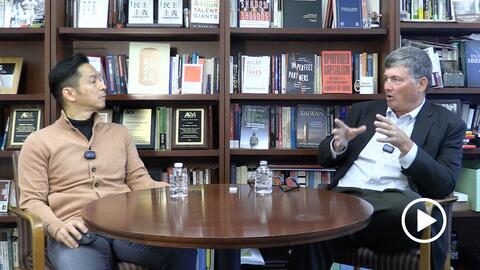
Lambert described Xi’s state visit as “the third movement in a five-part concert,” following the two leaders’ October 2025 meeting in Busan, South Korea, on the sidelines of the APEC summit, and Trump’s May 2026 visit to Beijing. These engagements spurred talks about a framework to stabilize the tense U.S.-China relations. Looking ahead, Xi has invited Trump to the APEC summit in Shenzhen in November 2026, and Trump hopes to host Xi at the G20 in Florida in December.
Each leader has domestic reasons to keep bilateral tensions low, Lambert pointed out. In the United States, the midterm elections and soaring gas and grocery prices are front and center. In China, high youth unemployment and demographic pressures loom large, and Xi, facing a Party plenum next month, needs to show he has the American relationship in a good place from a Chinese perspective.
"Both leaders have bigger fish to fry right now than antagonizing one another," Lambert explained, noting that the White House did an effective job of keeping expectations from Xi’s state visit modest. Washington and Beijing agreed to extend their trade truce through January 2027, but announced little else beyond that and a commitment to hold further talks, and provided no specificity on the economic and trade aspects of the U.S.-China bilateral relationship.
“It seems like what came out of last week's summit was: ‘Let's carve out a few areas where we can trade, recognizing that the vast majority of sensitive areas are either too delicate or too complex, not ripe right now to deal with,’” Lambert observed, predicting that the likely trend moving forward is more de-risking by both sides.
Skepticism on AI
The White House announced the U.S. and China have agreed to start a dialogue on AI, with a communications channel to help defuse the technology’s risks. Lambert, however, is doubtful this effort will yield much, noting that a similar commitment emerged from the Biden-Xi 2023 meeting in San Francisco but was never fleshed out.
"I am not convinced that China is all that serious about working on artificial intelligence,” he said. “Every time we've tried to have meetings on AI, they will send diplomats; they will send political-type figures. They don't send real experts on artificial intelligence. And that makes it very difficult to talk about safeguards and protecting ourselves from accidents or other things.”
The American and Chinese summit readouts also describe AI quite differently. While the White House said China had agreed to the term "superintelligence," Lambert emphasized that "not once did the Chinese use the term superintelligence in their readout."
"It's good that they're talking about it," he said, but "I will be very surprised if it leads to real, meaningful discussion about these core issues on artificial intelligence.”
Taiwan, Japan, and U.S. Allies
On Taiwan, according to Lambert, Trump did not give Beijing the language it has long sought: that Washington "opposes," rather than "does not support," Taiwan’s independence. Having put forward the largest arms sales package to Taiwan in U.S. history, the Trump administration has postponed it to avoid jeopardizing the summit with President Xi. With two additional in-person meetings between the two leaders expected this year, Lambert predicts the arms sales deal will be postponed until the new year.
Asked about Xi's referencing shared U.S.-China history during World War II, when the two nations fought together “against Japanese militarist aggressors,” Lambert replied, "History is history. We don't deny history, but I don't think it's wise to let ourselves become a prisoner of history." He called Japan "the keystone relationship with the United States in the Pacific," arguing the moment was "a missed opportunity for President Trump" to acknowledge the wartime relationship with China while also affirming the alliance with Japan and urging Xi to improve ties with Tokyo. He reiterated long-standing advice to new presidents: talk to allies before going to Beijing.