-

This event is part of Shorenstein APARC's winter webinar series "Asian Politics and Policy in a Time of Uncertainty."

Is demographics destiny as societies search for sustainable, innovation-led growth? Many analysts worry that population aging slows the socioeconomic engine of innovation. What can the older societies of East Asia do to remain innovative? Will younger South Asia inevitably eclipse East Asia as the South Asian population surges into the working ages, just as surely as India will soon overtake China as the most populous country in the world? In this webinar celebrating the publication of Demographics and Innovation in the Asia-Pacific, social scientists from across the region probe multiple aspects of these critical questions. Chinese economist and entrepreneur James Liang will offer insights regarding demography and innovation in China; economist James Feyrer probes the economics of demography and comparative productivity effects across the Asia-Pacific; sociologist Joon-Shik Park will discuss “Population Cliffs, Crisis of Local Society, and the Politics of Innovation Cities in South Korea”; and political scientist Kenji Kushida will focus on “How Japan’s Aging Demographics Have Affected Pathways of Technological Development.” Karen Eggleston, co-editor and author, will moderate the discussion.

Speakers:

Image
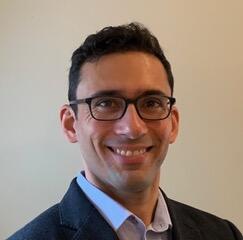
James Liang 4X4
James Liang is one of the Co-founders and Executive Chairman of the Board of Trip.com Group Ltd. He was the Chief Executive Officer from 2000 to 2006 and from 2013 to 2016. Trip.com Group has grown to become one of the world’s largest online travel agencies. Currently, James serves as Co-Chairman of Tongcheng-eLong (HKSE:7080) and on the boards of a number of other Internet companies, including Sina (NASDAQ: SINA), and MakeMyTrip (NASDAQ: MMYT). He is also Research Professor of Economics at Peking University.

In addition to his expertise in the travel industry, James is also a leading scholar of demographics and social studies. He has played an important role in shaping China’s population policies in recent years and in generating public interest in issues such as education and urban planning. As a co-author of the book Too Many People in China?, James analyzed the impact of the one-child policy and the adverse effects of demographic changes on China’s economy. He is also the author of multiple other publications, including The Rise of the Network Society, and his latest book published in 2018, The Demographics of Innovation.

James received his Ph.D. degree from Stanford University and his master’s and bachelor’s degrees from Georgia Institute of Technology.

­­

Image
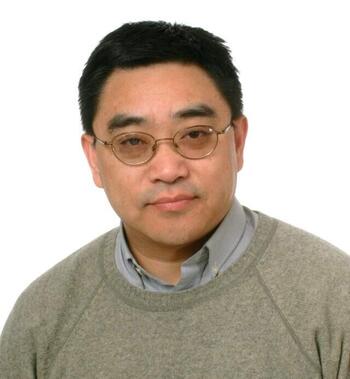
Feyrer, James 4X4
James Feyrer is an Associate Professor of Economics at Dartmouth College.  He received his Ph.D. from Brown University and his B.S. from Stanford University.  His work is primarily in applied macroeconomics. His work on the impacts of demographics and trade on growth have been influential in policy circles.  In particular his work on the impact of globalization on output has informed the Brexit debate. He has published articles in the Quarterly Journal of Economics, the American Economic Review, the Review of Economics and Statistics, the Journal of the European Economic Association, among other journals.

Image
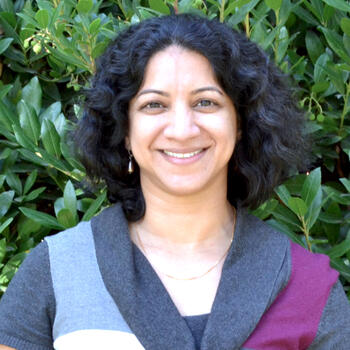
Park Joon Shik 4X4
Joon-Shik Park is Professor in the Department of Sociology at Hallym University, Chuncheon, Korea. He got his Ph.D. degree at Yonsei University in Korea. His research focuses on employment and regional studies. Prof. Park began his academic career as a researcher on labor and employment issues in Korean society. Recently, Prof. Park has been interested in comparing social economy and local regeneration in the context of global social and economic crisis. He recently published several books, articles, and project reports on such issues as the impact of globalization on employment regimes and local societies; social dialogue and integration; creative innovations for sustainable local development. Prof. Park has served as President of the Korean Regional Sociological Association, Dean of the Social Science School at Hallym University. He is now a member of the Presidential Commission on Policy Planning of the Korean Government. He is leading the Inclusive Society Division in the Presidential Commission as the chair person. He is also serving as Vice President of Vision and Cooperation of Hallym University.

Image
Kenji Kushida 4X4
Kenji E. Kushida is a Research Scholar at the Shorenstein Asia-Pacific Research Center Japan Program at Stanford University. Kushida’s research streams include 1) Information Technology innovation, 2) Silicon Valley’s economic ecosystem, 3) Japan’s political economic transformation since the 1990s, and 4) the Fukushima nuclear disaster. He has published several books and numerous articles in each of these streams, including “The Politics of Commoditization in Global ICT Industries,” “Japan’s Startup Ecosystem,” “Diffusing the cloud: Cloud computing and implications for public policy,” “Leading without followers: how politics and market dynamics trapped innovations in Japan's domestic ‘Galapagos’ telecommunications sector” and others. He holds a PhD in political science from the University of California, Berkeley, an MA in East Asian studies and BAs in economics and East Asian studies, all from Stanford University.

Moderator:

Image
Karen Eggleston 4X4
Karen Eggleston is Senior Fellow at the Freeman Spogli Institute for International Studies (FSI) at Stanford University, and Director of the Stanford Asia Health Policy Program and Deputy Director of the Shorenstein Asia-Pacific Research Center at FSI. She is also a Fellow with the Center for Innovation in Global Health at Stanford University School of Medicine, and a Faculty Research Fellow of the National Bureau of Economic Research (NBER). Eggleston earned her PhD in public policy from Harvard University and has MA degrees in economics and Asian studies from the University of Hawaii and a BA in Asian studies summa cum laude (valedictorian) from Dartmouth College. Eggleston studied in China for two years and was a Fulbright scholar in Korea. Her research focuses on government and market roles in the health sector and Asia health policy, especially in China, India, Japan, and Korea; healthcare productivity; and the economics of the demographic transition. She served on the Strategic Technical Advisory Committee for the Asia Pacific Observatory on Health Systems and Policies, and has been a consultant to the World Bank, the Asian Development Bank, and the WHO regarding health system reforms in the PRC.

Via Zoom Webinar.
Register https://bit.ly/2YD0Rvk

James Liang Research Professor of Economics, Peking University.
James Feyrer Department of Economics, Dartmouth College.
Joon-Shik Park Department of Sociology, Hallym University.
Kenji Kushida Shorenstein APARC, Stanford University.

Shorenstein APARC
Stanford University
Encina Hall E301
Stanford, CA 94305-6055

(650) 723-9072 (650) 723-6530
0
Senior Fellow at the Freeman Spogli Institute for International Studies
Center Fellow at the Center for Health Policy and the Center for Primary Care and Outcomes Research
Faculty Research Fellow of the National Bureau of Economic Research
Faculty Affiliate at the Stanford Center on China's Economy and Institutions
karen-0320_cropprd.jpg PhD

Karen Eggleston is a Senior Fellow at the Freeman Spogli Institute for International Studies (FSI) at Stanford University and Director of the Stanford Asia Health Policy Program at the Shorenstein Asia-Pacific Research Center at FSI. She is also a Fellow with the Center for Innovation in Global Health at Stanford University School of Medicine, and a Faculty Research Fellow of the National Bureau of Economic Research (NBER). Her research focuses on government and market roles in the health sector and Asia health policy, especially in China, India, Japan, and Korea; healthcare productivity; and the economics of the demographic transition.

Eggleston earned her PhD in public policy from Harvard University and has MA degrees in economics and Asian studies from the University of Hawaii and a BA in Asian studies summa cum laude (valedictorian) from Dartmouth College. Eggleston studied in China for two years and was a Fulbright scholar in Korea. She served on the Strategic Technical Advisory Committee for the Asia Pacific Observatory on Health Systems and Policies and has been a consultant to the World Bank, the Asian Development Bank, and the WHO regarding health system reforms in the PRC.

Director of the Asia Health Policy Program, Shorenstein Asia-Pacific Research Center
Stanford Health Policy Associate
Faculty Fellow at the Stanford Center at Peking University, June and August of 2016
CV
Date Label
Shorenstein APARC, Stanford University.
Seminars
-

Few American diplomats can match the years of experience in multiple Southeast Asian countries that Ambassador Scot Marciel has accumulated during his career in the US Foreign Service. The book he is writing at Stanford will interpret the region and its relations with the United States historically and now. Policy questions from the manuscript that the webinar will address include: Can America’s relations with Thailand be reinvigorated, and if so, how? Why have US-Vietnam relations prospered, and with what prospects going forward? Realistically, what can be expected from relations between the US and Indonesia? How should the recent coup in Myanmar be understood and how does it challenge US foreign policy? More broadly, in the near term, what priority ends and means should inform US engagement with Southeast Asia? In exploring answers to these and other questions, Amb. Marciel will interact with a second distinguished speaker, Catharin Dalpino, who is uniquely well qualified to discuss these matters based on her extensive experience in US policymaking positions, academic institutions, and nongovernmental organizations related to Southeast Asia.

Image
Scott Marciel
Scot Marciel is a career US Foreign Service Officer. He served as America’s Ambassador to Myanmar in 2016-2020 when thousands of ethnic Rohingya were killed, expelled, or emigrated from the country—a challenging time for its democratic transition and for US-Myanmar relations. Earlier assignments included tours as Ambassador to Indonesia, Ambassador for ASEAN Affairs, and Principal Deputy Assistant Secretary and Deputy Assistant Secretary of State for East Asian and Pacific Affairs. Prior to joining the Foreign Service, he worked as an editor of publications at the National Center for Export-Import Studies at Georgetown University. Ambassador Marciel’s more than 35 years of experience as a diplomat in Asia and around the world have also included assignments in Vietnam, the Philippines, and Hong Kong. His degrees are an MA from the Fletcher School of Law and Diplomacy and a BA in International Relations from the University of California, Davis.

Image
catharin dalphino
Catharin Dalpino’s remarkable career has encompassed academe, government, and NGOs. At Georgetown University she taught Southeast Asian Studies and launched and led the university’s Thai Studies Program. Other institutions in which she has lectured, researched, administered, or advised include The Asia Foundation, the Aspen Institute, the Atlantic Council, the Brookings Institution, the Carnegie Endowment for International Peace, George Washington University, and the Johns Hopkins School of Advanced International Studies. She was Deputy Assistant Secretary of State for Democracy in the State Department’s Bureau of Democracy, Human Rights, and Labor and has held positions at the World Bank and the United Nations in Geneva. The author of many articles and three books on US-Asian relations, she has testified on that topic before the Senate and the House of Representatives more than a dozen times. Her degrees are an MA from the University of California, Berkeley, and a BA from Barnard College.

Image
Donald K. Emmerson
Donald K. Emmerson, in addition to heading the Southeast Asia Program, is affiliated with Stanford’s Center on Democracy, Development, and the Rule of Law and its Abbasi Program in Islamic Studies. Recent writings relevant to US-Southeast Asia relations include articles in December 2020 in The Diplomat and East Asia Forum and an edited volume, The Deer and the Dragon: Southeast Asia and China in the 21st Century (2020). Before moving to Stanford in 1999, he taught at the University of Wisconsin-Madison where he headed its Center for Southeast Asian Studies.  He has held visiting positions at the Institute for Advanced Studies and the Australian National University, among other institutions. His degrees are from Yale (PhD) and Princeton (BA).

Via Zoom Webinar
Register: https://bit.ly/2Yz9ZB3

Scot Marciel Visiting Scholar and Practitioner Fellow, Shorenstein Asia-Pacific Research Center, Stanford University
Catherin Dalpino Professor Emeritus, Edmund A. Walsh School of Foreign Service, Georgetown University
0
Senior Fellow Emeritus at the Freeman Spogli Institute for International Studies
Affiliated Faculty, CDDRL
Affiliated Scholar, Abbasi Program in Islamic Studies
aparc_dke.jpg PhD

At Stanford, in addition to his work for the Southeast Asia Program and his affiliations with CDDRL and the Abbasi Program in Islamic Studies, Donald Emmerson has taught courses on Southeast Asia in East Asian Studies, International Policy Studies, and Political Science. He is active as an analyst of current policy issues involving Asia. In 2010 the National Bureau of Asian Research and the Woodrow Wilson International Center for Scholars awarded him a two-year Research Associateship given to “top scholars from across the United States” who “have successfully bridged the gap between the academy and policy.”

Emmerson’s research interests include Southeast Asia-China-US relations, the South China Sea, and the future of ASEAN. His publications, authored or edited, span more than a dozen books and monographs and some 200 articles, chapters, and shorter pieces.  Recent writings include The Deer and the Dragon: Southeast Asia and China in the 21st Century (ed., 2020); “‘No Sole Control’ in the South China Sea,” in Asia Policy  (2019); ASEAN @ 50, Southeast Asia @ Risk: What Should Be Done? (ed., 2018); “Singapore and Goliath?,” in Journal of Democracy (2018); “Mapping ASEAN’s Futures,” in Contemporary Southeast Asia (2017); and “ASEAN Between China and America: Is It Time to Try Horsing the Cow?,” in Trans-Regional and –National Studies of Southeast Asia (2017).

Earlier work includes “Sunnylands or Rancho Mirage? ASEAN and the South China Sea,” in YaleGlobal (2016); “The Spectrum of Comparisons: A Discussion,” in Pacific Affairs (2014); “Facts, Minds, and Formats: Scholarship and Political Change in Indonesia” in Indonesian Studies: The State of the Field (2013); “Is Indonesia Rising? It Depends” in Indonesia Rising (2012); “Southeast Asia: Minding the Gap between Democracy and Governance,” in Journal of Democracy (April 2012); “The Problem and Promise of Focality in World Affairs,” in Strategic Review (August 2011); An American Place at an Asian Table? Regionalism and Its Reasons (2011); Asian Regionalism and US Policy: The Case for Creative Adaptation (2010); “The Useful Diversity of ‘Islamism’” and “Islamism: Pros, Cons, and Contexts” in Islamism: Conflicting Perspectives on Political Islam (2009); “Crisis and Consensus: America and ASEAN in a New Global Context” in Refreshing U.S.-Thai Relations (2009); and Hard Choices: Security, Democracy, and Regionalism in Southeast Asia (edited, 2008).

Prior to moving to Stanford in 1999, Emmerson was a professor of political science at the University of Wisconsin-Madison, where he won a campus-wide teaching award. That same year he helped monitor voting in Indonesia and East Timor for the National Democratic Institute and the Carter Center. In the course of his career, he has taken part in numerous policy-related working groups focused on topics related to Southeast Asia; has testified before House and Senate committees on Asian affairs; and been a regular at gatherings such as the Asia Pacific Roundtable (Kuala Lumpur), the Bali Democracy Forum (Nusa Dua), and the Shangri-La Dialogue (Singapore). Places where he has held various visiting fellowships, including the Institute for Advanced Study and the Woodrow Wilson International Center for Scholars. 


Emmerson has a Ph.D. in political science from Yale and a BA in international affairs from Princeton. He is fluent in Indonesian, was fluent in French, and has lectured and written in both languages. He has lesser competence in Dutch, Javanese, and Russian. A former slam poet in English, he enjoys the spoken word and reads occasionally under a nom de plume with the Not Yet Dead Poets Society in Redwood City, CA. He and his wife Carolyn met in high school in Lebanon. They have two children. He was born in Tokyo, the son of U.S. Foreign Service Officer John K. Emmerson, who wrote the Japanese Thread among other books.

Selected Multimedia

Date Label
Donald K. Emmerson, Director, Southeast Asia Program, Shorenstein Asia-Pacific Research Center, Stanford University
Seminars
Paragraphs

Background. People with chronic conditions are disproportionately prone to be affected by the COVID-19 pandemic but there are limited data documenting this. We aimed to assess the health, psychosocial and economic impacts of the COVID-19 pandemic on people with chronic conditions in India.
Methods. Between July 29, to September 12, 2020, we telephonically surveyed adults (n=2335) with chronic conditions across four sites in India. Data on participants’ demographic, socio-economic status, comorbidities, access to health care, treatment satisfaction, self-care behaviors, employment, and income were collected using pre-tested questionnaires. We performed multivariable logistic regression analysis to examine the correlates of difficulty in accessing medicines and worsening of diabetes or
hypertension symptoms. Further, a diverse sample of 40 participants completed qualitative interviews that focused on eliciting patient’s experiences during the COVID-19 lockdowns and data analysed using thematic analysis.
Findings. 1,734 individuals completed the survey (response rate=74%). The mean (SD) age of respondents was 57·8 years (11·3) and 50% were men. During the COVID-19 lockdowns in India, 83% of participants reported difficulty in accessing healthcare, 17% faced difficulties in accessing medicines, 59% reported loss of income, 38% lost jobs, and 28% reduced fruit and vegetable consumption. In the final-adjusted regression model, rural residence (OR, 95%CI: 4·01,2·90-5·53), having diabetes (2·42, 1·81-3·25) and hypertension (1·70,1·27-2·27), and loss of income (2·30,1·62-3·26) were significantly associated with difficulty in accessing medicines. Further, difficulties in accessing medicines (3·67,2·52-5·35), and job loss (1·90,1·25-2·89) were associated with worsening of diabetes or hypertension symptoms. Qualitative data suggest most participants experienced psychosocial distress due to loss of job or income and had difficulties in accessing in-patient services.
Interpretation. People with chronic conditions, particularly among poor, rural, and marginalized populations, have experienced difficulties in accessing healthcare and been severely affected both socially and financially by the COVID-19 pandemic.
Funding. None.

All Publications button
1
Publication Type
Working Papers
Publication Date
Journal Publisher
Asia Health Policy Program working paper # 61
Authors
Kavita (Singh)
Karen Eggleston
-
This event is part of Shorenstein APARC's winter webinar series "Asian Politics and Policy in a Time of Uncertainty."​
 
Event Time Zones:
4:00pm-5:00pm   California, 2 February 2021
7:00pm-8:00pm   Washington DC, 2 February 2021
5:00am-6:00am   Pakistan, 3 February 2021
11:00am-12:00pm   Sydney, Australia 3 February 2021


To what extent will Pakistan’s multiple crises of governance and security change the way the country is governed? Several ongoing crises confront the government that is officially led by Prime Minister Imran Khan, but dominated by the Army. A new erstwhile coalition of opposition political parties, known as the Pakistan Democratic Movement, reflects a groundswell of resistance to the government’s increasingly undemocratic and repressive agenda. Meanwhile, the government must continue to manage the public health and economic effects of the pandemic, and constantly recalibrate its approach to anti-state insurgents and state-aligned terrorists. This webinar will consider whether these and other challenges prod the Army to rethink how it exercises political power and manages its security policies. It will also explore how the new Biden Administration should, in light of these crises, reset U.S. policy towards Pakistan and its neighbors.

Speakers:

Madiha Afzal Afzal2
Dr. Madiha Afzal is a David M. Rubenstein Fellow at the Brookings Institution. Her research lies at the intersection of political economy, development, and security, with a focus on Pakistan. She previously worked as an assistant professor of public policy at the University of Maryland, College Park. Afzal is the author of Pakistan Under Siege: Extremism, Society, and the State. In addition, she writes for publications including Foreign Affairs, Foreign Policy, the Washington Post, Dawn, and Newsweek, and is regularly interviewed by media outlets including BBC, NPR, and PBS. In addition, she has consulted for international organizations including the World Bank and UK’s Department for International Development. Afzal received her doctorate in economics from Yale University in 2008, specializing in development economics and political economy.

Image
Rabia Akhtar
Dr. Rabia Akhtar is Director, Centre for Security, Strategy and Policy Research, University of Lahore. She is the founding director of the School of Integrated Social Sciences at University of Lahore, Pakistan. Dr. Akhtar is a member of the Prime Minister’s Advisory Council on Foreign Affairs. She is a Nonresident Senior Fellow at the South Asia Center, Atlantic Council, Washington DC. Dr. Akhtar holds a PhD in Security Studies from Kansas State University. She is a Fulbright alumna (2010-2015). She has written extensively on South Asian nuclear security and deterrence dynamics. She is the author of a book titled The Blind Eye: U.S. Non-proliferation Policy Towards Pakistan from Ford to Clinton. Dr. Akhtar is also the Editor of Pakistan Politico, Pakistan’s first strategic and foreign affairs magazine.

Image
Elizabeth Threlkeld
Ms. Elizabeth Threlkeld is a Senior Fellow and Deputy Director of the South Asia Program at the Stimson Center. Her research interests include South Asian geopolitics, crisis decision-making, and ethno-nationalist conflict. Before joining Stimson, she served as a Foreign Service Officer with the U.S. Department of State in Islamabad and Peshawar, Pakistan, and Monterrey, Mexico. Threlkeld previously worked in the Kurdish region of northern Iraq, where she managed development interventions on gender-based violence and ethno-sectarian reconciliation. She has additional work and educational experience in China, Taiwan, and Turkey, and began her career with the Center for a New American Security. Threlkeld holds an MPhil in Politics and International Relations from the University of Cambridge, and speaks Pashto, Mandarin, and Spanish.

Moderator:

Image
Arzan Tarapore
Dr. Arzan Tarapore is the South Asia research scholar at the Shorenstein Asia-Pacific Research Center at Stanford University, where he leads the newly-restarted South Asia research initiative. He is also a senior nonresident fellow at the National Bureau of Asian Research. His research focuses on Indian military strategy and contemporary Indo-Pacific security issues. He previously held research positions at the RAND Corporation, the Observer Research Foundation, and the East-West Center in Washington. Prior to his scholarly career, he served as an analyst in the Australian Defence Department, which included operational deployments as well as a diplomatic posting to Washington, DC. Tarapore holds a PhD in war studies from King’s College London.


This event is co-sponsored by: Center for South Asia
 
This is a virtual event via ZOOM.  RSVP Required. Please  Register here: https://bit.ly/3okfYUR    
Dr. Madiha Afzal David M. Rubenstein Fellow Brookings Institution
Dr. Rabia Akhtar Director, Centre for Security, Strategy and Policy Research University of Lahore
Ms. Elizabeth Threlkeld Senior Fellow and Deputy Director of the South Asia Program Stimson Center
Seminars
Authors
Noa Ronkin
News Type
News
Date
Paragraphs

The Walter H. Shorenstein Asia-Pacific Research Center (APARC) has broadened its fellowship and funding opportunities to support Stanford students working in the area of contemporary Asia. The Center introduced these expanded offerings in response to the harsh impacts of the COVID-19 pandemic on student’s academic careers and their access to future jobs and valuable work experience, and in recognition of the critical need to make the field of Asian Studies more diverse and inclusive.

APARC’s diversity grant aims to encourage Stanford students from underrepresented minorities (URM) to engage in the study and research of topics related to contemporary Asia and U.S.-Asia relations, including economic, health, foreign policy, social, political, and security issues. The grant, which was first announced in June 2020, is now an ongoing offering. APARC will award a maximum of $10,000 per grant. Current  Stanford undergraduate and graduate students in the URM category from any major or discipline are eligible and encourage to apply.

APARC also invites Stanford Ph.D. candidates specializing in topics related to contemporary Asia to apply for its 2021-22 predoctoral fellowship. Up to three fellowships are available and the application deadline is May 1, 2021.

In addition, APARC continues to offer an expanded array of research assistant internships. The Center is currently seeking highly motivated Stanford undergraduate- and graduate-level students to join our team as paid research assistant interns for the spring and summer quarters of 2021. Applications for spring 2021 research assistant assignments are due on February 22, for summer 2021 assignments on March 8.

Read More

President Biden walks past a row of Chinese and American flags.
News

APARC Experts on the Outlook for U.S.-Asia Policy Under the Biden Administration

Ahead of President-elect Biden’s inauguration and on the heels of the attack on the U.S. Capitol by a pro-Trump mob that has left America shaken, an APARC-wide expert panel provides a region-by-region analysis of what’s next for U.S. policy towards Asia and recommendations for the new administration.
APARC Experts on the Outlook for U.S.-Asia Policy Under the Biden Administration
View of building roof in the Forbidden City complex and the Beijing skyline in the background
News

New Fellowship on China Policy Seeks to Strengthen U.S.-China Relations

Stanford University’s Shorenstein Asia-Pacific Center invites applications for the inaugural 2021-22 China Policy Fellowship from experts with research experience on issues vital to the U.S. China policy agenda and influence in the policymaking process.
New Fellowship on China Policy Seeks to Strengthen U.S.-China Relations
National Guard at the US Capitol
Commentary

The Soft War That America Is Losing

The US depends far more on its soft power than authoritarian China does. Once it is lost, it is hard to get back.
The Soft War That America Is Losing
Hero Image
Stanford campus, main quad with cloudy sky
All News button
1
Subtitle

The Center has launched a suite of offerings including a predoctoral fellowship, a diversity grant, and research assistant internships to support Stanford students interested in the area of contemporary Asia.

Authors
Oriana Skylar Mastro
News Type
Commentary
Date
Paragraphs

This op-ed by Aynne Kokas and Oriana Skylar Mastro was originally published in the Australian Financial Review.


The images of bare-chested, flag-waving MAGA loyalists overtaking the US Capitol flooded US social media and news channels in the days following the January 6 siege against the electoral college count. Memed and amplified, the same images circulated widely on Chinese social media and state-owned news sites without even the need for critical commentary.

The literal destruction of the US Capitol at the hands of President Donald Trump's followers required little imagination to characterize abroad as the downfall of American democracy.

There are many reasons for pessimism. According to one of the most authoritative indexes, Polity, the United States is no longer the world’s oldest continuous democracy, dropping in status to a system that is part democracy, part dictatorship.

Beyond the domestic concerns faced in the aftermath of the breach of one of America's most hallowed buildings, the Capitol siege was a win for China. US soft power, one of its comparative advantages in the great power competition, has taken a huge hit.

[Sign up for APARC's newsletters to get the latest updates from our scholars.]

Soft power is “the ability to get what you want through persuasion or attraction in the forms of culture, values, and policies”.⁠ The US has been the primary beneficiary of soft power, with its globally recognized brands, pop culture, fast-food chains, world-renowned universities, and political values.

It is relatively low cost and high impact compared with other forms of power. The United States' relative attractiveness is one of the reasons America prevailed in the Cold War.

The Chinese government is having a propaganda field day. More than ever, the US looks like a country in decline, discouraging to allies and potential partners. Chinese commentators have noted that America's days as the "city on the hill" have come to an end. This is karma, some say, payback for the US supporting opposition groups, as in Hong Kong. As one netizen commented on the popular microblog website Weibo: "So lucky to be born in China."

Beijing has tried to leverage its comparative advantages to build soft power through pathways other than political values.

China has also been trying to increase its soft power through traditional mechanisms such as building its media, education, and tourism sectors. It has enjoyed only moderate success in these areas because of its censorship, pollution, and lack of independent civil society.

But COVID-19 has led to the strengthening of other Chinese public diplomacy efforts, such as its landmark Belt and Road Initiative global trade and investment scheme.

Related initiatives such as the Digital Silk Road, a program to build out global digital infrastructure using Chinese technology, and the Health Silk Road, a plan to export Chinese health expertise through things such as COVID-19 laboratories and vaccine diplomacy, draw on China's comparative advantage in a top-down soft power approach.

Meanwhile, the Trump administration has undermined the historical sources of US soft power. It has shuttered visa lines, investigated international students on campus, and driven the rise of a culture of nationalism. The cancellation of the Fulbright US Student Program and the Peace Corps program in China are prime examples. And the COVID-19 decreased US media production, educational exchange and tourism, which shrank opportunities for promoting its democratic values on the global stage.

A bird’s-eye view of America's relative soft power may seem to offer cause for optimism. Even after four years of Trump's buffoonery and "America First", the US is still far ahead of China, ranking fifth in overall soft power, while China ranks 24th. And isn’t this what matters in competition?

Yes and no. The problem is two-fold. First, the US relies more on its political values as a soft power source than Beijing does. Ironically, this has especially been the case during the Trump administration. National Security Adviser Robert O’Brien has argued that democracies and authoritarian countries such as China “are offering a different approach to the world”. Secretary of State Mike Pompeo has argued to international audiences that democracy is “what we’ve got right”.

Second, Beijing has tried to leverage its comparative advantages to build soft power through pathways other than political values, especially where a top-down government approach is effective. China set up COVID-19 testing labs in Palestine in agreement with Israeli and Palestinian authorities. It extended its hand in Africa by building more than 70 percent of its 4G infrastructure.

Depending on need, useful solutions can be as compelling as political principles.The future of the US as a world leader is at stake. American military base access worldwide depends on perceived political alignment between the US and its allies. In the tech sector, the widespread adoption of US platforms relies on other countries finding that benefits to allowing in foreign platforms outweigh the potential political risks.

Successful multilateral treaty negotiations on issues such as global trade and climate change rely on the perception of a dependable US political system.

Strengthening democracy at home and moving away from "America First" policies will go a long way in reconstructing the trust and relationships central to soft power. But the United States will always be seen as a country in which the election of Donald Trump to the presidency, and now the storming of the Capitol, were possible.

President-elect Joe Biden will soon learn that soft power, once lost, may be difficult to revive.

Read More

President Biden walks past a row of Chinese and American flags.
News

APARC Experts on the Outlook for U.S.-Asia Policy Under the Biden Administration

Ahead of President-elect Biden’s inauguration and on the heels of the attack on the U.S. Capitol by a pro-Trump mob that has left America shaken, an APARC-wide expert panel provides a region-by-region analysis of what’s next for U.S. policy towards Asia and recommendations for the new administration.
APARC Experts on the Outlook for U.S.-Asia Policy Under the Biden Administration
U.S. Navy and Indian Navy ships steam in formation in the Indian Ocean.
News

How to Mitigate the Risks of Chinese Military Expansion in the Indian Ocean Region

China’s expanding military capacity in the Indian Ocean region poses risks for the United States and its partners, writes South Asia Research Scholar Arzan Tarapore in 'The Washington Quarterly,' offering a framework by which the Quad and others can build strategic leverage to curtail China’s capacity to coerce small states or posture for war.
How to Mitigate the Risks of Chinese Military Expansion in the Indian Ocean Region
President-elect Joe Biden and Chinese President Xi Jinping
News

Biden Administration Will Rely On U.S. Allies for Support as Tensions with China Continue to Rise

On the World Class Podcast, international security expert Oriana Skylar Mastro says conflict between China and Taiwan is plausible within the next 15 years, and the U.S. will likely be involved.
Biden Administration Will Rely On U.S. Allies for Support as Tensions with China Continue to Rise
Hero Image
National Guard at the US Capitol
National Guard at the US Capitol ahead of the inauguration on January 15, 2021 in Washington, DC. After last week's Capitol Riot the FBI has warned of additional threats against the US Capitol and in all 50 states.
Liz Lynch/ Getty Images
All News button
1
Subtitle

The US depends far more on its soft power than authoritarian China does. Once it is lost, it is hard to get back.

Paragraphs
Cover of the book 'Shifting Gears in Innovation Policy' on the background of an embossed map of Asia.

In the six Asian countries focused on in this book—China, India, Japan, Singapore, South Korea, and Taiwan—high economic growth has been achieved in many industrial sectors, the catch-up phase of growth has ended or is about to end, and technological frontiers have been reached in many industries. These countries can no longer rely on importing or imitating new technology from abroad and expanding imports, and instead have to develop their own innovations to maintain growth. The policy tools they often used to advance "innovation," for the most traditional industrial policies of identifying promising industries and promoting them, will no longer be effective. And indeed, governments in Asia have recently put forward new policies, such as China's push for mass entrepreneurship and innovation.

Domestic conditions in Asian economies have also started to change. Many countries are facing rapidly aging populations and low birth rates: Japan’s population, declining for several years, is the first population decline not caused by war or disease in the modern world; South Korea’s labor force started to shrink in 2018 as well; China’s huge population will start to age, even as a large part of the population remains poor.

Facing these challenges, today Asia is at a turning point. East Asia as a whole has greater real economic output than North America, South and Southeast Asia possess enormous economic potential due to size and resources, and countries within Asia are becoming more connected in both trade and diplomacy. It is at this juncture that the authors of Shifting Gears examine and reassess Asia’s innovation and focus on national innovation strategies and regional cluster policies that can promote entrepreneurship and innovation in the larger Asia-Pacific. Chapters explore how institutions and policies affect incentives for innovation and entrepreneurship; whether Asia's innovation systems are substantially different from those of other countries, and in which ways, and whether there are any promising strategies for promoting innovation.

Desk, examination, or review copies can be requested through Stanford University Press.

Front Matter and Introduction
Download pdf
All Publications button
1
Publication Type
Books
Publication Date
Subtitle

Strategies from Asia

Authors
Yong Suk Lee
Gi-Wook Shin
Takeo Hoshi
Book Publisher
Shorenstein APARC
Authors
Kiyoteru Tsutsui
News Type
Commentary
Date
Paragraphs

This op-ed by Kiyoteru Tsutsui and Charles Crabtree was originally published in The Hill.


Any power transition produces policy casualties. In the United States, this might be particularly true as an incoming administration often differentiates itself from the incumbent by quickly announcing new policies and the abandonment of old ones. This is easier to do regarding domestic policy than foreign policy, where some continuity must be secured, even if serious disagreements exist between the incoming and outgoing administrations. Despite the tendency for administrations to make smaller changes in the realm of foreign policy, it seems that one casualty of the Biden administration will be the concept of a “Free and Open Indo-Pacific.” The administration should learn more about the genealogy of this policy and reassert its commitment to the “free and open” part of the idea.

[Subscribe to APARC's newsletters to stay up-to-date on our latest research.]

The phrase “Free and Open Indo-Pacific” (FOIP) originates from the administration of Japan’s former prime minister, Shinzo Abe. In response to China’s Belt and Road Initiative, a global infrastructure development strategy that reflects China’s expansionist ambitions, Abe and his government weaved together some ideas from prior Liberal Democratic Party governments and labeled them the Free and Open Indo-Pacific strategy in 2016.

With an emphasis on coalition-building to check and balance China’s influence, this strategy had strong security undertones, which made Association of Southeast Asian Nations (ASEAN) countries nervous. Fully aware of the need to get ASEAN countries on board, the Abe government softened the edges of the strategy by renaming it a “vision,” shifting away from the emphasis on security components and offering a more friendly tone to the Belt and Road Initiative. Backed up by Japan’s supportive engagement with Belt and Road activities, this softer version became a hit in Southeast Asia, with various countries claiming authorship for it — and even China did not register a strong objection to it.

The 2018 FOIP vision has three pillars: promotion of rule of law, freedom of navigation, and free trade; economic prosperity, and peace and stability. The first pillar is particularly important, as it distinguishes FOIP from China’s competing strategy.

Abe promoted FOIP not only in Asia but also in the U.S. Leveraging the warm personal relationship with his American counterpart, Abe tried to sell the strategy to the Trump administration as an effective way to moderate if not fully counter Belt and Road. Trump’s foreign policy team adopted this concept, using it to slow China’s expansion in the Pacific, Asia  and even East Africa. Eventually, the U.S. government began using the FOIP language frequently and placed it at the center of its anti-China foreign policy.

As the Biden administration takes over, it is understandable that its experienced foreign policy team, with a focus on returning to multilateral engagements and moderating anti-China rhetoric, would hesitate to quickly adopt FOIP, which may have acquired strong anti-China connotations in American foreign policy circles. In line with this, President-elect Biden so far has preferred the phrase “a secure and prosperous Indo-Pacific region” instead. This has deepened existing concerns in Asia, particularly in Japan, that Biden will be soft on China.

Correspondingly, Japan’s Suga administration, which came to power in mid-September, has faced criticism that it is softer on China than the Abe administration. This concern came to the fore in November, as the Suga administration routinely started using the language “secure and prosperous Indo-Pacific.” Another precipitating event was a recent press conference in which Foreign Minister Toshimitsu Motegi did not immediately counter Chinese Foreign Minister Wang Yi’s prickly comments about the Senkaku islands.

Foreign policy experts, led by Yuichi Hosoya at Keio University, have argued vigorously that this language change signals a weaker commitment to the core principles of FOIP. If “free and open” is replaced by “secure and prosperous,” they contend, the whole vision becomes meaningless — and this shift will be remembered as a moment when Japan abandoned its commitment to the international order, undergirded by democracy and freedom, in favor of China’s vision of a “secure and prosperous” region that prioritizes development and stability.

Realizing the potential impact of this shift, the Suga administration quickly backtracked and resumed using “Free and Open Indo-Pacific.” FOIP is back in Japan, which signals Japan’s continuing resolve to promote the international liberal order.

The Biden administration also should consider readopting “Free and Open Indo-Pacific.” It’s understandable that Biden would want to move away from a strategic frame used by the Trump administration. There are certainly many of President Trump’s phrases that the Biden administration should drop, such as “America First” and “China virus.” But FOIP was not a vision created by anyone in the Trump administration. It was launched by Japan’s Abe administration and, after some modification, accepted by many Asian countries, arguably even by China.

Biden’s foreign policy likely will place greater emphasis on human rights and democracy than did Trump’s. Vis-à-vis China, this would mean that the U.S. will more vocally criticize human rights violations in Hong Kong, Xinjiang and elsewhere, and that trade negotiations will proceed with more civility. Given this, it would be inconsistent for the Biden administration to replace “free and open” with “secure and prosperous” in talking about the Indo-Pacific region. 

While there is some ambiguity about the concrete policies that accompany the admittedly underspecified FOIP vision, the Biden foreign policy team would be wise to readopt FOIP, bearing in mind an important fact: It was not Trump’s idea. If the next U.S. administration drops “free and open,” it will send the wrong message to the world, placing undue weight on Japan’s shoulders as the only major torch-bearer for liberal values in the region, and potentially straining the U.S.-Japan security relationship that must be in lockstep to moderate China’s ambitions.

Kiyoteru Tsutsui 120820 crop 4X4

Kiyoteru Tsutsui

Kiyoteru Tsutsui is the Henri H. and Tomoye Takahashi Professor and Senior Fellow in Japanese Studies at Shorenstein APARC, the director of APARC's Japan Program, a senior fellow at FSI, and professor of sociology, all at Stanford.
Full Biography

Read More

The flag of Japan is displayed over the Olympic rings.
Commentary

Japan's Three Most Consequential Events of 2020

Abe's resignation, the COVID-19 pandemic, and delaying the 2020 Tokyo Summer Olympic games have disrupted Japan's efforts to re-establish itself as a strong leader, both domestically and internationally, but it still has a chance to launch a comeback moment.
Japan's Three Most Consequential Events of 2020
A man wearing a face mask prays for the new year at Meiji Shrine in Tokyo, Japan.
Commentary

Japan's Challenges in the Next Year are Greater than its Opportunities

Surging coronavirus cases and ongoing political scandals have docked Suga's approval ratings, but successfully handling the upcoming Olympics and taking further strides with the United States, ASEAN, and South Korea may help him rebound.
Japan's Challenges in the Next Year are Greater than its Opportunities
Photos of China's Xi Jinping walking and Japan's Yoshihide Suga speaking at a podium
Commentary

How Japan's Suga Can Build an Alliance to Counter China

The strengths and weaknesses of the Quad
How Japan's Suga Can Build an Alliance to Counter China
Hero Image
A loaded shipping liner sails out of port.
Tsutsui and Crabtree argue that maintaining FOIP is crucial for the long term success of the Indo-Pacific.
Austin Filippi, Unsplash
All News button
1
Subtitle

Both Japan's Suga and the incoming Biden administration should maintain the language of the "free and open Indo-Pacific" for consistency and to signal their ongoing commitment to maintaining a firm policy stance on China's ambitions.

-

This event is part of the Asia Health Policy Program (AHPP) 2020-21 Colloquium series "Health, medicine, and longevity: Exploring public and private roles"

Non-state actors contribute to health systems in many ways that are vital for health and well-being, especially for those most vulnerable. We will hear from three distinguished speakers on non-government organizations and public-private collaborations in Asia: Dr. Karki, Executive Director of PHASE Nepal; Mr. Choub, Executive Director of KHANA, Cambodia; and Dr. Huntington of Johnson & Johnson, Singapore, prefaced by video interviews of many others. They will share about the trade-offs in contracting for health services in Asia and beyond, from the conceptual foundations to the daily reality of practitioners, and what COVID-19 has taught about “building back better” in the future.

Speakers:

Image
Jiban Karki 4X4
Dr Jiban Karki is a development professional with a PhD in Public Health, a master’s degree in Rural Development and bachelor’s degrees in Civil Engineering and Business Administration. He has over 20 years of experience in leading development organizations and managing projects in Nepal and over 9 years of experience in academic research in South Asia. He is currently working with the University of Sheffield. He also leads PHASE Nepal, an NGO he founded in 2006 in Nepal which works with multiple partners at the grassroot level in the health, education and livelihoods improvement sector where other organizations rarely go because of the remoteness of the areas.  His research interests range from community led primary health care to provision of Assistive Technology to Person with Disabilities. 


Image
Sok Chamreun Choub 4X4
Mr. Sok Chamreun Choub is the Executive Director of the Khmer HIV/AIDS NGO Alliance (KHANA) in the Kingdom of Cambodia, which focuses on prevention and treatment for HIV/AIDS, Tuberculosis, sexual reproductive health, other non-communicable diseases, as well as promoting human rights and health coverage for vulnerable populations in Cambodia. Chamreun’s professional background is in social science, but he has been devoted to public health work for 27 years in government, the UN and NGOs—more than two decades with KHANA, but also in many other roles. For example, he currently also serves as the Chief of Party for the five-year USAID-funded Community Mobilization Initiative to End TB (COMMIT); the Chair of the Steering Committee of the Health Action Coordinating Committee for the Cooperation Committee for Cambodia; Vice-Chair Civil Society Representative for The Global Fund Country Coordination Committee for Cambodia; Co-Chair of the Activists Coalition on TB for Asia and the Pacific; and the Developing Country NGOs Representative of the Stop TB Partnership Board.  

Image
Dale Huntington 4X4
Dr. Dale Huntington is currently Senior Director, Health Care Systems for Emerging Markets with Johnson and Johnson, based in Singapore where he serves as the primary Global Health Policy lead in Asia and the Pacific. In this role, he is responsible for developing and implementing a strategy to advance Johnson & Johnson’s Enterprise objectives and Government Affairs & Policy platform priorities – with a particular focus on shaping healthcare systems to expand access to quality healthcare in key emerging markets. Prior to joining Johnson and Johnson he was with the WHO, working as the Director of the Asia Pacific Observatory on Health Policy and Systems, based in the WHO Western Pacific Regional Office, Manila, and as a Scientist with the Department of Reproductive Health and Research in Geneva. Before joining WHO he was a Senior Health Specialist at the World Bank – focused on South and East Asia. He holds a Doctorate in Science degree from the Johns Hopkins University School of Hygiene and Public Health, specializing in health services research and evaluation. He has lived and worked in developing countries for over 25 years. He has an extensive publication record and is proficient in French.

Via Zoom Webinar.
Register: https://bit.ly/2KcO6DW

Jiban Karki Executive Director of PHASE Nepal, and Global Challenge Fellow at University of Sheffield
Sok Chamreun Choub Executive Director of KHANA, Phnom Penh, Cambodia
Dale Huntington Senior Director of Health Care Systems for Emerging Markets, Johnson & Johnson, Singapore
Seminars
Authors
Oriana Skylar Mastro
News Type
Commentary
Date
Paragraphs

This op-ed by Oriana Skylar Mastro and Zack Cooper originally appeared in Australian Financial Review.


Australia’s trials are not the first time Beijing has used economic coercion against another country.

It has become so common that we are becoming desensitised to it. Some notable examples include Beijing’s limitations on rare earth exports to Japan in 2010, Norwegian fish exports in 2010, Philippine tropic fruit exports in 2012, Vietnam’s tourist industry in 2014, Mongolian commodities trade in 2016, and South Korean businesses in 2017. In each case, Beijing sought to achieve a political objective by imposing economic penalties.

This case is different. Beijing has typically been ambiguous about the purpose or nature of its coercive economic statecraft. Despite evidence otherwise, it blamed the Japanese ban on meeting a yearly quota, the Philippine ban on pesticide exposure, the tourism drop to Vietnam on changing Chinese preferences, and the closure of South Korean stores on fire code violations. In Australia’s case, though, Beijing is doing away with these pretenses.

[Sign up for APARC's newsletters to get the latest commentary from our scholars.]

China has not been shy this time about connecting its punitive actions to its unhappiness with Australian policies. The Chinese foreign ministry has listed a “series of wrong moves” by Australia for the disruption in relations. Beijing’s embassy in Canberra then gave a list of 14 “mistakes” to the Australian press.

These grievances include Australia’s foreign interference legislation, foreign investment reviews, funding for Australian think tanks, and unfriendly media reporting. Some of these criticisms are particularly ironic coming from Beijing, which often objects to foreign interference in other countries’ domestic affairs.

A core component of China’s strategy is a disinformation and propaganda effort designed to paint its moves as merely defensive, a proportionate and legitimate response to actions taken by the other side.

Australia has done nothing ‘wrong’


Let’s be clear: Australia has done nothing “wrong” in promoting and protecting its democratic institutions at home. It should not censor its media, obstruct analysis by outside experts, or shy away from safeguarding its democratic processes.

This time, the current trade restrictions are about more than making an example of Australia or showing smaller powers that they’ll pay if they have something to say about how the Chinese Communist Party governs at home. Beijing’s aims have taken on new proportions. Party leaders are now willing to punish democracies simply for upholding basic democratic principles within their own countries.

The message is clear: curtail some of your democratic principles or pay the price.

The US needs to work with like-minded states around the world to address this new threat. Free countries need to speak out together in Australia’s defence. If democracies do not hang together, they will hang separately. We should articulate that China’s actions are more than a violation of international law; they threaten the health of our democracies at home. Such a reframing would show Beijing that economic coercion will no longer be treated as a low-stakes tactic.

But words are not enough. We need coordinated action. US alliances are designed primarily to deter and defend against military attacks. Chinese actions make clear, however, that there are alternative methods for undermining peace, prosperity and freedom that our alliances do not adequately address. New alliance consultations to protect against economic attack would enhance our deterrence against China.

Washington should also launch a series of discussions with its allies to determine what new institutional mechanisms, commitments, and structures are needed to defend against economic attacks, not just military ones.

We should ensure the ability to take joint reciprocal action against Beijing in the economic realm, particularly to defend smaller countries. China engages in economic coercion because it is effective and relatively risk-free. But if instead like-minded countries responded together when one was attacked economically, this would go a long way in discouraging Beijing from employing such tactics.

Using all the tools of power


A critical first step is mapping dependencies on China and investigating how to limit over-dependence that open democracies to unacceptable economic vulnerability. As in the military realm, we need to enhance our resiliency against attack by avoiding over-dependence on any single import, export, or supply chain decency. This is a task that the so-called D10 (G7 plus Australia, India, and South Korea) should take up early next year.

The good news is a collective response to Chinese economic coercion will be more feasible under a Biden administration. President-elect Joe Biden and his senior advisers have articulated a preference for multilateral responses to Chinese aggression.

And while President Donald Trump relied mainly on military moves to warn and punish Beijing, Biden’s team prefers to make use of all tools of power. For these reasons, there has even been talk of rejuvenating past efforts like TPP. US allies and partners are also likely to see Biden as more reliable, making them more willing to undertake the risky venture of joining forces against Beijing.

The United States, Australia, and other allies and partners tried to welcome China into the international community. This was the right move. It has been good economically for many advanced economies, including Australia and the United States. But there is a flip side to every coin.

Australia has become too vulnerable to the whims of Beijing. And the US has few options to protect against such economic pressure. The incoming Biden administration needs to fundamentally rethink the nature of alliances so that countries like Australia have a third option the next time Beijing forces a choice between freedom and prosperity.

Read More

A warship sailing in the South China Sea and a photo of three soldiers standing guard in front of a Chinese traditional building
News

China’s South China Sea Strategy Prioritizes Deterrence Against the US, Says Stanford Expert

Analysis by FSI Center Fellow Oriana Skylar Mastro reveals that the Chinese military has taken a more active role in China’s South China Sea strategy, but not necessarily a more aggressive one.
China’s South China Sea Strategy Prioritizes Deterrence Against the US, Says Stanford Expert
Battleships patrolling in the open ocean.
Commentary

Beijing’s Line on the South China Sea: “Nothing to See Here”

China’s official denials of growing military capability in the region look a lot like gaslighting.
Beijing’s Line on the South China Sea: “Nothing to See Here”
Oriana Skylar Mastro at a conference
Q&As

Center Fellow Oriana Skylar Mastro Discusses How Her Scholarship and Military Career Impact One Another

An expert on Chinese military and security issues, Mastro also talks about how her learning style informs her teaching style.
Center Fellow Oriana Skylar Mastro Discusses How Her Scholarship and Military Career Impact One Another
Hero Image
The Australian flag flies outside the Great Hall of the People in Beijing
The Australian flag flies outside the Great Hall of the People in Beijing.
Feng Li, Getty Images
All News button
1
Subtitle

The Biden administration needs to rethink the entire nature of alliances for an era of heavy-handed economic diplomacy from Beijing says Oriana Skylar Mastro and Zack Cooper in an op-ed for the Australian Financial Review.

Subscribe to Asia-Pacific