Health and Medicine

FSI’s researchers assess health and medicine through the lenses of economics, nutrition and politics. They’re studying and influencing public health policies of local and national governments and the roles that corporations and nongovernmental organizations play in providing health care around the world. Scholars look at how governance affects citizens’ health, how children’s health care access affects the aging process and how to improve children’s health in Guatemala and rural China. They want to know what it will take for people to cook more safely and breathe more easily in developing countries.

FSI professors investigate how lifestyles affect health. What good does gardening do for older Americans? What are the benefits of eating organic food or growing genetically modified rice in China? They study cost-effectiveness by examining programs like those aimed at preventing the spread of tuberculosis in Russian prisons. Policies that impact obesity and undernutrition are examined; as are the public health implications of limiting salt in processed foods and the role of smoking among men who work in Chinese factories. FSI health research looks at sweeping domestic policies like the Affordable Care Act and the role of foreign aid in affecting the price of HIV drugs in Africa.

-

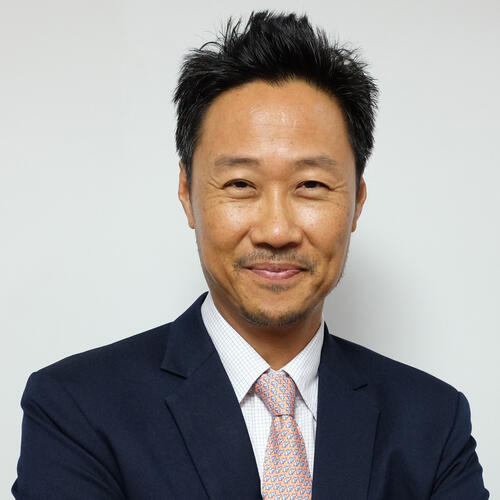
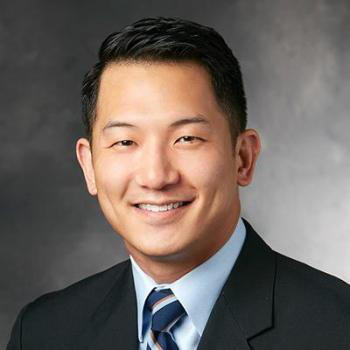
This panel discussion, moderated by Andray Abrahamian (Stanford APARC), will discuss health and medical care in North Korea. Physicians Kee Park (Harvard Medical School) and David S. Hong (Stanford Lucile Packard Children's Hospital) will discuss their experiences with neurosurgery in Pyongyang; and all three panelists will share perspectives on how average DPRK residents interact with their country’s health system—including distinctive aspects of North Korean public health policy and how geopolitical factors influence human security and humanitarian aid on the Korean peninsula.

Image

Dr. Kee B. Park is a member of the faculty at the Program in Global Surgery and Social Change (PGSSC) at the Harvard Medical School. 

He is also the Director of the North Korea Program at the Korean American Medical Association where he leads the collaboration between US and DPRK physicians. Since 2007, he has made 18 visits to DPRK, most recently in May 2018.

His academic interests include studying the unique features of the North Korean public health system, how geopolitical factors influence human security and humanitarian aid on the Korean peninsula, and the complex relationships between international security, health, and human rights.

Dr. Park is a consultant for the World Health Organization and serves on the WHO Expert Advisory Panel on Surgical Care and Anesthesia. In this capacity, he advocates for and assists in the development of national surgical plans by the Member States.

He is a diplomate of the American Board of Neurological Surgery, a member of the Advisory Committee for the Foundation of the World Federation of Neurosurgical Societies, member of the National Committee on North Korea, and member of Council of Korean Americans.

Kee B. Park, MD obtained his medical degree from the Rutgers University in New Jersey and trained in neurosurgery at the Temple University Hospital in Philadelphia, Pennsylvania


Image

Dr. David S. Hong specializes in the treatment of pediatric patients with neurosurgical conditions, with additional specialty training in the treatment of pediatric spinal disorders, including scoliosis. His additional clinical interests include brain tumors, epilepsy surgery, idiopathic scoliosis, Chiari malformation, vascular conditions, and concussion.  He works to develop clinical pediatric neurosurgical programs in the Bay Area.

He is an active part of the Korean American Medical Association’s Global Health Program, and as the first pediatric neurosurgeon in North Korea has been developing the recently established pediatric neurosurgical program in the DPRK since 2015.

He is a member of the American Association of Neurological Surgeons, Congress of Neurological Surgeons, the National Council on North Korea, and the Council of Korean Americans.  He completed his residency in his home state of Michigan at the Detroit Medical Center, and completed fellowship training at Rady Children's Hospital in San Diego, before becoming a part of Stanford Children's Health.


Andray Abrahamian is the 2018-2019 Koret Fellow at Stanford University. He is also an Honorary Fellow at Macquarie University, Sydney and an Adjunct Fellow at the Griffith Asia Institute. He is an advisor to Choson Exchange, a non-profit that trains North Koreans in economic policy and entrepreneurship. He was previously Executive Director and Research Direction for Choson Exchange. That work, along with supporting sporting exchanges and a TB project, has taken him to the DPRK nearly 30 times. He has also lived in Myanmar, where he taught at Yangon University and consulted for a risk management company. He has conducted research comparing the two countries, resulting in the publication of "North Korea and Myanmar: Divergent Paths" (McFarland, 2018). Andray has published extensively and offers expert commentary on Korea and Myanmar, including for US News, Reuters, the New York Times, Washington Post, Lowy Interpreter and 38 North. 

He has a PhD in International Relations from the University of Ulsan, South Korea and an M.A. from the University of Sussex where he studied media discourse on North Korea and the U.S.-ROK alliance, respectively. Andray speaks Korean, sometimes with a Pyongyang accent.


Kee B. Park Program in Global Surgery and Social Change, the Harvard Medical School
David S. Hong Department of Neurosurgery, Division of Pediatric Neurosurgery Stanford Children’s Health/John Muir Hospital Stanford University/Lucile Packard Children's Hospital
Andray Abrahamian the 2018-2019 Koret Fellow at Stanford University
Panel Discussions
Paragraphs

Background: Precise future projection of population health distribution is imperative for designing an efficient healthcare system in rapidly aging countries. Multistate-transition microsimulation models such as the US Future Elderly Model have been developed based on panel data collection, but these data may not be always available. We proposed a pseudopanel method using repeated cross-sectional representative surveys as a complementary approach, and specifically applied the model to Japan's population.

Methods: We calculated birth-cohort and sex-specific prevalence for all combinations of 14 health statuses using microdata from five waves of the Comprehensive Survey of People's Living Conditions. Combining obtained prevalences with vital statistics data, we determined transition probabilities of statuses over time using contingency tables. Assuming that state transition and mortality-exit follow the first-order Markov process, we then designed a virtual Japanese population aged older than 60 years as of 2013 and performed a microsimulation to project disease distributions to 2046 with forward, backward, and external validation tests. Following validation, we compared our projection results with those based on traditional stativ models.

Results: Our calculated morbidity and mortality rates successfully replicated governmental projections of population pyramids and matched cardiovascular and cancer incidences reported in existing epidemiological studies, supporting the validity of our estimation. Our future projection of stroke and heart disease indicated lower prevalences than expected from static models, presumably because of recent declining trends in disease incidence and fatality.

Conclusions: Our pseudopanel approach provides a valid alternative microsimulation frame for future health projection in aging societies.

Keywords: Pseudopanel approach; microsimulation; forecasting; aging; comorbidities; Japan

JEL No. C53, I1, I12, J11, J14

All Publications button
1
Publication Type
Working Papers
Publication Date
Journal Publisher
Asia Health Policy Program working paper # 55
Authors
Brian Chen
Karen Eggleston
Paragraphs

Cardiovascular diseases (CVDs), which are disorders of the heart and blood vessels, are the world’s leading cause of death (WHO, 2016). The transition from infectious diseases to non-communicable diseases (NCDs), primarily CVDs, as the primary cause of mortality and morbidity worldwide— combined with the economic burden associated with heart-related diseases—prompted the World Health Organization (WHO) and its regional offices to identify CVDs’ risk factors (WHO, 2016). This paper examines these risk factors with a focus on the fetal environment and its interaction with adult body mass index (BMI), using longitudinal data from the Cebu Longitudinal Health and Nutrition Survey (CLHNS).

Using a Cox proportional hazards model to estimate hazard ratios adjusted for age and risk factors in adulthood, such as cigarette smoking, the results suggest that there is a positive association between birth weight and heart disease. In addition, when birth weight is interacted with BMI, raised blood pressure is found to be higher among those who were bigger infants at birth and grew to be lighter adults, suggesting centile crossing. Probit models are also used for sensitivity analysis, and the results are consistent with those of the hazards model. Other factors such as adult obesity and a smoking habit are also positively associated with hypertension and CVD.

Keywords: Fetal origins hypothesis, CLHNS, hazards model, CVD, adult risk factors

All Publications button
1
Publication Type
Working Papers
Publication Date
Journal Publisher
Asia Health Policy Program working paper # 54
Authors
Marjorie Pajaron
Paragraphs

This paper shows that, for mothers in Cebu, Philippines, access to electricity and the type of cooking fuel used at home affect both health outcomes and also how time is allocated, including for paid work. First, the use of fuelwood for cooking adversely affects the health of mothers, who are traditionally responsible for cooking and are often at home, taking care of their families. This result is consistent across different econometric specifications. Second, shifting to a more efficient source of energy allows women more time to be engaged in the labor force, including in micro enterprises. It also enables them to reallocate their time and efforts away from household chores (cooking, tending animals, and childcare) toward caring for themselves (improved personal hygiene and rest). Drafting and strengthening existing gender-sensitive energy policies and programs can, therefore, help the welfare of mothers in the Philippines, where 54% of households rely on fuelwood, and where the resulting indoor air pollution has a particularly adverse impact on women. The analysis relies on a longitudinal data set (CLHNS 1994-2005).

Keywords: Energy access; time allocation; health of mothers; labor participation of mothers; Philippines; CLHNS

All Publications button
1
Publication Type
Working Papers
Publication Date
Journal Publisher
Asia Health Policy Program working paper # 53
Authors
Marjorie Pajaron
Paragraphs

Risky health behaviors such as illicit drug use, smoking, overconsumption of alcohol, violence, and early sexual activity have contemporaneous and intertemporal adverse health and economic outcomes. The health-related and economic costs to individuals and to society overall are particularly pronounced when adolescents are the ones engaging in one or more of such behaviors.

This paper uses longitudinal data from the Philippines (from the Cebu Longitudinal Health and Nutrition Survey) to examine the long-term impact of adolescents’ risky behaviors in 2002 (related to sex, tobacco, alcohol, and violence, but not drugs) on their economic outcomes in 2009 (related to participation in the labor force, educational attainment, and family formation). The results reveal that risky behaviors are most likely to affect educational outcomes. Teenagers who smoked at least one cigarette a day were 21% less likely to be in college several years later, and this difference was 17% for those who had an early sexual initiation, and 7% for those who consumed alcohol at least once a week. Labor outcomes were also adversely affected.

All Publications button
1
Publication Type
Working Papers
Publication Date
Journal Publisher
Asia Health Policy Program working paper # 52
Authors
Marjorie Pajaron
Paragraphs

The growing literature on environmental migration presents conflicting results. While some find that natural disasters induce international migration, others discover a dampening effect. We aim to reconcile these differences by using a comprehensive list of weather shocks from the Philippines, a country prone to natural disasters and a major exporter of labor. We constructed a longitudinal provincial dataset (2005–2015) from an assemblage of administrative and survey datasets and tested linear, quadratic, and lagged models.

Our fixed-effects results are consistent with both strands in the literature with caveats. First, Filipinos are more likely to work abroad when they experience less-intense tropical cyclones and storm warning signal but are more likely to stay with a more damaging storm warning signal. Second, differential effects of weather shocks on international migration contingent on agriculture exists. Third, non-environmental factors such as economic (unemployment rate) and infrastructure (number of high schools) also push Filipinos abroad.

Keywords: Migration, Natural Disaster, Panel Dataset, Agriculture, OFWs

JEL classification: C33, C36, F22

Forthcoming, Journal of Population Economics.

All Publications button
1
Publication Type
Working Papers
Publication Date
Journal Publisher
Asia Health Policy Program working paper # 51
Authors
Marjorie Pajaron
-

Improvements in medical treatment have clearly contributed to significant increases in medical spending, yet there is relatively little quantitative evidence on whether the rise in expenditure is “worth it” in the sense of producing health outcomes of commensurate value. This seminar will focus on empirical research assessing the net value of health care for patients with chronic disease, using the case of type 2 diabetes mellitus. Based on analysis of detailed longitudinal, patient-level data, the collaborating researchers from Hong Kong, Japan, Taiwan, the Netherlands, and the US describe patterns in resource use and quality outcomes as measured by clinical markers and predicted risk of complications and death. In most of the studied cases, increases in spending were accompanied with improvements in outcomes of commensurate or greater value, given a range of values for a quality-adjusted life year. The authors conclude with a discussion of what the results imply about productivity of medical care, quality adjustment of price indices for healthcare, and policies for healthy aging in Asia (based on a forthcoming book).

Philippines Conference Room Encina Hall, 3rd Floor 616 Serra Mall, Stanford, CA 94305
Jianchao Quan Hong Kong University
616 Serra StreetEncina Hall E301Stanford, CA94305-6055
0
toshiaki_iizuka.jpg Ph.D.

Toshiaki Iizuka is Professor at Graduate School of Public Policy and Graduate School of Economics, the University of Tokyo. Before joining the University of Tokyo in 2010, he taught at Vanderbilt University (2001-2005), Aoyama Gakuin University (2005-2009), and Keio University (2009-2010). He served as Dean of Graduate School of Public Policy, the University of Tokyo, between 2016 and 2018. He is a recipient of Abe Fellowship (2018-2019). 

His research interests are in the field of health economics and health policy. He has written a number of articles on incentive and information in the health care markets. His research articles have appeared in leading professional journals, including American Economic Review, RAND Journal of Economics, Journal of Health Economics, and Health Affairs, among others. Dr. Iizuka holds a PhD in Economics from the University of California, Los Angeles, an MIA from Columbia University, and an ME and BE from the University of Tokyo.
Visiting Scholar, Asia Health Policy Program at APARC
University of Tokyo

Shorenstein APARC
Stanford University
Encina Hall E301
Stanford, CA 94305-6055

(650) 723-9072 (650) 723-6530
0
Senior Fellow at the Freeman Spogli Institute for International Studies
Center Fellow at the Center for Health Policy and the Center for Primary Care and Outcomes Research
Faculty Research Fellow of the National Bureau of Economic Research
Faculty Affiliate at the Stanford Center on China's Economy and Institutions
karen-0320_cropprd.jpg PhD

Karen Eggleston is a Senior Fellow at the Freeman Spogli Institute for International Studies (FSI) at Stanford University and Director of the Stanford Asia Health Policy Program at the Shorenstein Asia-Pacific Research Center at FSI. She is also a Fellow with the Center for Innovation in Global Health at Stanford University School of Medicine, and a Faculty Research Fellow of the National Bureau of Economic Research (NBER). Her research focuses on government and market roles in the health sector and Asia health policy, especially in China, India, Japan, and Korea; healthcare productivity; and the economics of the demographic transition.

Eggleston earned her PhD in public policy from Harvard University and has MA degrees in economics and Asian studies from the University of Hawaii and a BA in Asian studies summa cum laude (valedictorian) from Dartmouth College. Eggleston studied in China for two years and was a Fulbright scholar in Korea. She served on the Strategic Technical Advisory Committee for the Asia Pacific Observatory on Health Systems and Policies and has been a consultant to the World Bank, the Asian Development Bank, and the WHO regarding health system reforms in the PRC.

Director of the Asia Health Policy Program, Shorenstein Asia-Pacific Research Center
Stanford Health Policy Associate
Faculty Fellow at the Stanford Center at Peking University, June and August of 2016
CV
Date Label
Stanford University and NBER
Seminars
Paragraphs

China launched a new rural pension scheme (NRPS) for rural residents in 2009, now covering almost all counties with over 400 million people enrolled. The implementation of the largest social pension program in the world offers a unique setting for studying the economics of intergenerational relationships during development, given the rapidity of China’s population aging, traditions of filial piety and co-residence, decreasing number of children, and dearth of formal social security, at a relatively low income level.

This study draws on rich household surveys from two provinces at distinct development stages – impoverished Guizhou and relatively well-off Shandong – to better understand heterogeneity in the impact of pension benefits. Employing a fuzzy regression discontinuity design, the authors find that around the pension eligibility age cut-off, the NRPS significantly reduces intergenerational co-residence, especially between elderly parents and their adults sons; promotes pensioners’ healthcare service consumption; and weakens (but does not supplant) non-pecuniary and pecuniary transfers across three generations.

All Publications button
1
Publication Type
Journal Articles
Publication Date
Journal Publisher
The Journal of the Economics of Ageing
Authors
Karen Eggleston
-

This study focused on an important but often overlooked aspect of safety in medicine: physician safety. In China, patients may violently protest against doctors via disruptive behaviors when facing unsatisfying results, jeopardizing physicians’ security, affecting their diagnostic reasoning, and ultimately harming patient safety. We investigated the relationship between disruptive behaviors, government intervention, and protest results. Statistical analyses reveal that the ‘paying for peace’ mechanism can create distorted incentives for patients and encourage more riots. Efforts should be made to improve service quality and channel medical disputes into the legal framework.

Image
lingrui liu yale cropped
Lingrui Liu is an Associate Research Scientist at the Yale School of Public Health, Department of Health Policy and Management. Prior to joining the YSPH faculty in fall of 2018, she obtained an ScD from Harvard University (2018). Her research interests include health care organizations, quality improvement, patient safety, organizational design and culture, and implementation of evidence-based practices.

Lingrui Liu Associate Research Scientist, the Yale School of Public Health
Seminars
Authors
Noa Ronkin
News Type
News
Date
Paragraphs

In Beijing’s bustling Chaoyang District stands a multi-story building known as the Gonghe Senior Apartments: a 400-bed nursing home for middle-income seniors who are disabled or suffer from dementia. Why is Gonghe unique and why is it worth considering? Because Gonghe is a public-private partnership (PPP), a collaborative organizational structure supported by the District Civil Affairs Bureau Welfare Division that donated the land and building and the nonprofit Yuecheng Senior Living that operates the facility. And because PPPs like Gonghe might just be the right model to address the challenges surrounding elderly care in China as well as in other nations that face a looming burden of population aging.

This was a core message shared by Alan Trager, founder and president of the PPP Initiative Ltd., who spoke at a special workshop organized by Shorenstein APARC’s Asia Health Policy Program (AHPP). Focused on PPPs in health and long-term care in China, the workshop was part of a two-day convening related to the Innovation for Healthy Aging project, a collaborative research project led by APARC Deputy Director and AHPP Director Karen Eggleston that identifies and analyzes productive public-private partnerships advancing healthy aging solutions in East Asia and other regions.

The Innovation for Healthy Aging project is driven by the imperative to respond to a world that is aging rapidly. This demographic transition, reminded Trager at the opening of his talk, is a defining issue of our time, as aging is a multisectoral issue that increases the demand for health care, long-term care, and a large number of other social services. The aging challenge is exacerbated by its convergence with the rising prevalence of non-communicable diseases (NCDs), also known as chronic diseases. For while NCDs affect all age groups, they account for the highest burden among the elderly.

China: Ground Zero for Global Aging

Alan Trager in Highly Immersive Classroom Alan Trager discusses health and long-term care in China in the GSB's Highly Immersive Classroom
Alan Trager discusses health and long-term care in China in the GSB's Highly Immersive Classroom (Photo: Noa Ronkin)


The need to advance healthy aging and NCD prevention is a matter of grave concern in China, whose older population is larger than in any other country. Moreover, the aging challenge in China is interwoven with unique social trends. In particular, filial piety—which, for thousands of years, has been a fundamental family value and a mainstay of health and elder care—is under pressure, as young people strive to balance the demands of careers, fewer children per family, and migrating to cities for school and work, without affordable housing or long-term care financing support for their parents and other elderly relatives, who often stay in rural areas.

China’s health system is yet to adapt to the shift in the disease burden and health care needs driven by the aging population. Its existing health insurance programs are insufficient for outpatient management and care of chronic conditions, and as Trager emphasized, there is a lack of investment in training geriatric medicine professionals and incorporating geriatric principles into clinical practice.

How can China meet the high demand for elder care, increase workforce capacity, and promote healthy aging?

The answer, claims Trager, lies in developing multisector, integrated solutions to the challenges posed by population aging. While system-level efforts, such as building the social protection system and sustaining universal health coverage, continue to be led by the government, PPPs can play a major role in capacity building to ensure the sustainability of such systems through the advancement of technology, human resources, and innovation. Trager shared PPP Initiative Ltd.’s recent efforts to develop PPP solutions for aging populations in China and elsewhere. The workshop was held on October 10 at the Stanford GSB’s Highly Immersive Classroom, which is equipped with advanced video conferencing technology that allows participants in Palo Alto and at the Stanford Center at Peking University to collaborate in real-time. Experts from Beijing joined the discussion and followed Trager’s presentation with comments on how to move from awareness to action.

Private Efforts, Public Value

Image
John Donahue, Karen Eggleston, and Richard Zeckhauser in conversation at the entrance to Encina Hall, Stanford.

From left to right: John Donahue, Karen Eggleston, Richard Zeckhauser. (Photo: Thom Holme)

Public-private collaborations—or rather collaborative governance–in China as well as in the United States is the subject of an upcoming volume co-authored by Eggleston with Harvard scholars Richard Zeckhauser and John Donahue. Both Zeckhauser and Donahue joined Eggleston the following day, October 11, at an AHPP-hosted seminar to discuss this upcoming publication, titled Private Roles for Public Goals in China and the United States: Contracting, Collaboration, and Delegation.

Eggleston, Donahue, and Zeckhauser define collaborative governance as private engagement in public tasks on terms of shared discretion, where each partner bears responsibilities for certain areas. Their upcoming book explores public-private collaborations in China and the United States, two countries where public needs require solutions that far outstrip the capacities of their governments alone. Beyond considering merely health and elderly care, the book features research into public and private roles in the governance of multiple other sectors, including education, transport infrastructure, affordable housing, social services, and civil society.

At the seminar, the three scholars reviewed different models of private efforts providing public value, outlined the justifications for collaborative governance, and explained some of the conditions that make such collaborative partnerships productive and valuable. They emphasized the need to account for the unique contexts in China and the United States and to steer clear of one-size-fits-all solutions.

Imperative for the Young Generation

One thing, they all agree, applies to both countries: government collaboration with private entities is inevitable if China and the United States are to achieve their articulated goals and meet rapidly increasing demand for high-end public services.

This sentiment echoed a claim Trager made the preceding day: a tidal wave of noncommunicable diseases in an aging world is approaching us quickly and governments cannot handle it alone. Young people must care about advancing creative solutions to this pressing problem because they will be the ones who will pay for the consequences if we get it wrong.

Hero Image
Four elderly Chinese people sitting outdoors.
Senior citizens relax on the Duolun Road in Shanghai, China.
China Photos/ Getty Images
All News button
1
Subscribe to Health and Medicine