
Sheikh Jamal Hossain
Biography
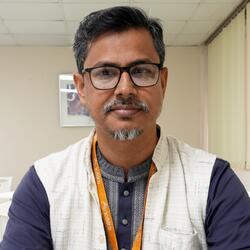
Sheikh Jamal Hossain joins the Walter H. Shorenstein Asia-Pacific Research Center (APARC) as Asia Health Policy Postdoctoral Fellow for the 2026-2027 academic year. He is a researcher and academic specializing in child development, maternal mental health, health promotion, and health economics. He earned his PhD in Women’s and Children’s Health from Uppsala University, with research focused on the effects of parenting interventions integrated with social protection programs on child development and maternal well-being in Bangladesh. He also holds Master's degrees in Public Health and Health Economics from University of Dhaka.
With over two decades of experience spanning academia, public health research, and international development, Dr. Hossain has led and contributed to large-scale randomized controlled trials, implementation research, and economic evaluations addressing early childhood development, nutrition, maternal mental health, and health system strengthening. He has successfully secured and managed research grants from international donors, including Grand Challenges Canada, UNICEF, FCDO, and Sida.
Dr. Hossain has authored more than 30 peer-reviewed scientific publications, including 13 as first author, in leading international journals such as The Lancet Regional Health, Pediatrics, Social Science & Medicine, The American Journal of Clinical Nutrition, and BMJ Global Health. His research has informed policies and programs aimed at improving child development outcomes and maternal well-being in low-resource settings.
An experienced educator with six years of formal teaching experience, Dr. Hossain has delivered courses and training on health promotion, health economics, research methodology, and program evaluation. He currently mentors multidisciplinary research teams and supervises early-career researchers and graduate students. His professional interests center on advancing evidence-based interventions through rigorous research, teaching, and capacity strengthening, with a commitment to translating scientific evidence into policies and programs that improve the lives of women and children globally.