Society

FSI researchers work to understand continuity and change in societies as they confront their problems and opportunities. This includes the implications of migration and human trafficking. What happens to a society when young girls exit the sex trade? How do groups moving between locations impact societies, economies, self-identity and citizenship? What are the ethnic challenges faced by an increasingly diverse European Union? From a policy perspective, scholars also work to investigate the consequences of security-related measures for society and its values.

The Europe Center reflects much of FSI’s agenda of investigating societies, serving as a forum for experts to research the cultures, religions and people of Europe. The Center sponsors several seminars and lectures, as well as visiting scholars.

Societal research also addresses issues of demography and aging, such as the social and economic challenges of providing health care for an aging population. How do older adults make decisions, and what societal tools need to be in place to ensure the resulting decisions are well-informed? FSI regularly brings in international scholars to look at these issues. They discuss how adults care for their older parents in rural China as well as the economic aspects of aging populations in China and India.

News Type
News
Date
Paragraphs

Emerging technologies, stemming from the heart of Silicon Valley and extending to Asia and beyond, have pushed the bounds of how stories are told by journalists and the way in which readers interact with them. The Shorenstein Journalism Award, an annual prize given by the Shorenstein Asia-Pacific Research Center (APARC), celebrates 15 years of recognizing distinguished journalists for their innovative and responsible journalism amid social and technological change.

The prize began with “the idea of a media award for a person who has the most significant impact on the relationship with Asia-Pacific nations in the United States,” according to Walter H. Shorenstein, who spoke about his twin interests of Asia and the press in a 2010 oral history project interview and was the benefactor after whom the center is named.

Shorenstein APARC and Harvard’s Shorenstein Center on Media, Politics and Public Policy jointly presented the award for six years. Shorenstein APARC has continued the initiative, and each year, brings the award winner to Stanford to talk with the broader campus community, and since 2011, has alternated between a recipient from the West, who has mainly addressed an American audience, and a recipient from Asia.

The prize seeks to inspire the next generation of U.S. journalists focused on Asia, as well as Asian journalists, who pave the way for press freedom in their countries.

Award winners have explored a multitude of topics over the years, from human rights in North Korea to the rise of democracy in Indonesia and from the U.S.-Japan alliance to gender equality in India. And this year adds an additional view on China; veteran journalist Ian Johnson will address religion and value systems in a panel discussion on May 1 with Xueguang Zhou, Stanford professor of sociology, and Orville Schell, director of the Asia Society's Center on U.S.-China Relations, moderated by Daniel C. Sneider, Shorenstein APARC associate director for research.

To mark the award’s tenure, Shorenstein APARC asked award alumni to answer the question, “What do you think the future holds for journalism in/about Asia?” Their responses are below.


Image
crossette 3x4 bw
Asia is big, with 60 percent of the world's people and a third of its land. The conditions in which journalists work go to the extremes, from the longstanding establishment press of Japan or India to the blanket repression of it in Laos or China. But if there is one word to describe Asian journalism of the future, it is Youth. Creative, energetic young people, armed with connectivity, pack Internet cafes and journalism classes, where they can find them. Their interests are broad, they are open-minded and well informed. Western reporters will benefit from their guidance as colleagues.

Barbara Crossette is the U.N. correspondent for The Nation and a columnist for India Abroad. She received the Shorenstein Journalism Award in 2010.


Image
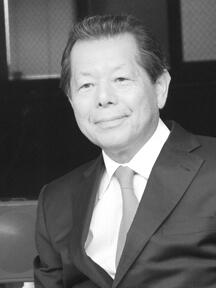
funabashi 3x4 bw

Journalism in Asia has had a long history of covering revolutions and wars. However, peace has reigned over Asia for near on 40 years. Yet, the peace and stability in Asia looks increasingly precarious. Asia too is not immune to populist nationalism. In this climate, Asia could yet again become the battleground for dislocation, revolution and war. Journalism, on top of reacting to potential crises, will be critical for proactively finding ways to prevent and defuse crises in the region.

Yoichi Funabashi is the chairman of the Rebuild Japan Initiative Foundation. He received the Shorenstein Journalism Award in 2015.


Image
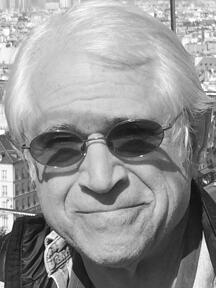
buruma 3x4 bw
The scope for independent journalism, checking the powers that be, is shrinking everywhere, not least in Asia. China's rise as a major political and commercial power will be a growing challenge to the freedom of the press. The best thing journalists writing about Asian affairs can do, especially those who are lucky enough to work for free and independent media, is to continue to write as honestly as they can, without bowing to political or commercial pressures. This very much includes pressures at home, in countries that still have liberal democratic institutions. Good journalism on Asia, or anywhere else, will continue to be produced as long as the critical spirit remains undaunted.

Ian Buruma is a writer and the Paul W. Williams Professor of Democracy, Human Rights, and Journalism at Bard College. He received the Shorenstein Journalism Award in 2008.


Image
mydans 3x4 bw
The frontier in the battle for press freedom in Southeast Asia has moved into cyberspace, where independent voices have presented a new challenge to government control of information. In Vietnam, Malaysia, Thailand, Singapore, Indonesia and newly open Myanmar, upstart websites and blogs have proliferated. But it hasn't taken long for those in charge to gain the upper hand, and following the example of China, all have found ways to bring these open forums under varying degrees of control, from censorship to harassment to prison terms. The flamboyant Philippines remains the exception, and the future there too has become uncertain.

Seth Mydans is a contributing writer for the New York Times. He received the Shorenstein Journalism Award in 2009.


Image
demick 3x4 bw
The United States tends to export its best and worst fashions elsewhere in the world. An example of the latter is President Trump’s tendency to denounce any media coverage he dislikes as “fake news.” The Chinese Communist Party has picked up on that trick, earlier this month using the “fake news” defense to deny a story that a human rights lawyer was tortured, a practice all too common in China. The implications are chilling for the Chinese domestic press and for foreign correspondents covering China. While our own president is denouncing us as “enemies of the people,” we can hardly expect the U.S. government to stand up for us when the intolerant regime in Beijing tries to muzzle our reporting.

Barbara Demick is the Los Angeles Times’ bureau chief in New York and was formerly bureau chief in Beijing and in Seoul. She is the author of Nothing to Envy: Ordinary Lives in North Korea and Logavina Street: Life and death in a Sarajevo Neighborhood. She received the Shorenstein Journalism Award in 2012.


Image
zaw 3x4 bw
In some parts of Asia, the space for freedom of expression has shrunk immensely and there are challenges for all of us covering sensitive issues in countries where journalists increasingly face the Computer Crime Act, censorship, tight space, intimidation and threats – moreover, they also continue to face authoritarian rulers’ unjustified clampdown and high-handed attitudes. Asia is complex – in some corners of our region, many diverse ethnic minorities live in conflict zones and in war without peace – for decades journalists travel there to report stories. But it is our job – isn’t it? Journalists here ought to tell stories and unearth many untold news to readers across Asia. While facing prison walls, threats and lawsuits, journalists also face media tycoons and cronies who want them to be a mouthpiece of commercial conglomerates – they must resist them. Commercial media kills independent journalism. Long before journalists in Asia realized that objectivity alone doesn’t work in Asia but courage, independent reporting and searching the truth are more important than ever before. Last but not least, Asia has the fastest growing economies in the world thus an independent media is needed to keep voices from Asia alive.

Aung Zaw is the founder and editor-in-chief of The Irrawaddy. He received the Shorenstein Journalism Award in 2013.


Image
schlesinger 3x4 bw
Donald Trump is challenging many long-held, American consensus policies – including those toward Asia. Trade, diplomacy and security relationships between the United States and Asia – and among Asian nations – are now all in flux. The challenge for journalists on both sides of the Pacific will be sorting out the noise, understanding the concrete actions and reactions, and explaining the implications for a global audience. That mission will be made more difficult – and more vital – by the growing hostility toward journalism from many of the leaders unleashing this transformation.

Jacob Schlesinger is a senior Washington correspondent for the Wall Street Journal. He received the Shorenstein Journalism Award in 2014.


Image
schell 3x4 bw
I am very pessimistic about the ability of thoughtful and informative journalism to survive anywhere in the world given the gale force winds of state propaganda, commercial market pressure and "fake news" that now buffet it. And no where is such reporting more urgently needed than in regard to Asia where China's different value and political pose a stark challenge. To keep a well-informed public, we may well have to finally recognize here in the United States that good and independent reporting cannot be entirely a purely commercial process any more than are our great universities.

Orville Schell is the Arthur Ross Director of the Center on U.S.-China Relations at the Asia Society in New York, and former dean of the School of Journalism at the University of California, Berkeley. He received the Shorenstein Journalism Award in 2003.


Image
pomfret 3x4
I am very optimistic about the future of journalism in Asia because I am optimistic about the future of Asia writ large. I am especially optimistic about the future of journalism in China. Despite the dark days that my Chinese colleagues face today, there is no shortage of well-trained, hungry reporters in China who will ultimately help push China in a more positive direction. I think this is, to use the Chinese Communist Party's verbiage, "the historical trend." Just think about the scoops to be had when China begins to open the vast archives of the Chinese Communist Party? Obviously, this won't happen tomorrow, but I am confident that this day is less far off than it sometimes seems.

John Pomfret was a foreign correspondent with the Washington Post for many years. He is the author of The Beautiful Country and the Middle Kingdom: America and China from 1776 to the Present. He received the Shorenstein Journalism Award in 2007.


Hero Image
journalism award headline
A pair of people read newspapers outside in Seoul, South Korea.
Chung Sung-Jun/Getty Images
All News button
1
News Type
News
Date
Paragraphs

A new book published by the Shorenstein Asia-Pacific Research Center (APARC) explores the future of China’s urbanization. Addressing the complex challenges facing Chinese cities will require updated institutions and unparalleled innovation, researchers say.

China’s growth in cities has been unprecedented over the past decade, and the urbanization policies the government put in place, while achieving notable successes, continue to face systemic obstacles that challenge the effectiveness of central and local governments. How the government will resolve the complex sets of conflicting interests will considerably shape Chinese society and politics for decades.
 
That is the premise of a new book co-edited by Karen Eggleston, senior fellow in Stanford’s Freeman Spogli Institute for International Studies; Jean C. Oi, the William Haas Professor in Chinese Politics; and Yiming Wang, deputy director general and senior research fellow at the State Council Development and Research Center.
 
In the book Challenges in the Process of China’s Urbanization, eleven chapters authored by 21 authors feature urbanization challenges ranging from property rights and affordable housing to food security and the environment.

[[{"fid":"225386","view_mode":"crop_870xauto","fields":{"format":"crop_870xauto","field_file_image_description[und][0][value]":"","field_file_image_alt_text[und][0][value]":false,"field_file_image_title_text[und][0][value]":false,"field_credit[und][0][value]":"","field_caption[und][0][value]":"","thumbnails":"crop_870xauto"},"type":"media","field_deltas":{"1":{"format":"crop_870xauto","field_file_image_description[und][0][value]":"","field_file_image_alt_text[und][0][value]":false,"field_file_image_title_text[und][0][value]":false,"field_credit[und][0][value]":"","field_caption[und][0][value]":"","thumbnails":"crop_870xauto"}},"link_text":null,"attributes":{"style":"margin-left: 15px; padding: 5px; font-size: 13.008px; float: right; width: 350px; height: 525px;","class":"media-element file-crop-870xauto","data-delta":"1"}}]]

“Urbanization is not merely a process of financial engineering or rational decision-making, but a complicated ‘dance’ of power and politics,” the editors write in the introductory chapter.
 
The book is one of two publications that emerged from a conference in May 2014 at the Stanford Center at Peking University, that was part of a joint five-year research initiative between the Shorenstein Asia-Pacific Research Center and the National Development and Reform Commission (NDRC) – a government agency in China that formulates and implements strategies of national economic and social development.  
 
Wang, who was the deputy chief of staff at the NDRC and executive director of its Institute of Macroeconomic Research, facilitated ongoing scholarly exchanges, including workshops and conferences as well as joint fieldwork in China. At one point, the NDRC came to the Bay Area to interview local government officials about urbanization and affordable housing policies.  
 
Eggleston and Oi responded to a few questions about the book.
 
What patterns are shaping urbanization in China?
Oi: A primary pattern shaping China’s urbanization is the movement of people from rural areas to megacities – Beijing, Shanghai and elsewhere.  There also is movement from poorer to richer areas within the countryside. Rural to urban migration has been taking place in China since the 1970s, but the difference now is that the government is encouraging it. The Chinese government has an officially sanctioned program that is advocating migration. A second pattern shaping China’s urbanization is administrative redistricting. Redistricting is a government-led process that changes the administrative makeup of a municipality. For example, areas originally designated as ‘rural’ can be redistricted to qualify as ‘urban.’ Additionally, smaller cities can become larger by absorbing surrounding areas. Counties can also be combined into districts.
 
Why are cities and counties pursuing redistricting?
Oi: One of the main factors driving redistricting in China is the perks and power that are linked to the size of an administrative unit. Government officials in charge of smaller cities or counties have incentives to become larger. The larger the municipality, the more power and resources the municipality has. Smaller cities that become larger cities gain resources; yet on the other hand, counties that become part of a district lose certain local-level rights. Municipalities are essentially competing with each other. The book dives into the incentive structures at play and other political economy issues embedded in the urbanization process.
 
What kind of disciplinary approaches are undertaken in the book?
Eggleston: One of the book’s strengths is its array of disciplinary approaches. Drawn primarily from the social sciences, the book includes theoretical and empirical analyses of evidence gathered from case studies and fieldwork. 
 
Oi: The book is a true collaboration of scholars from the United States and China. About half of the chapter authors are officials from the National Development and Reform Commission (NDRC), including our co-editor, Yiming Wang, who was NDRC deputy-secretary when we did the work for the volume. Each chapter attempts to offer a balanced perspective of the policy implications of China’s urbanization experience at both national and local levels.

Image
urbanization embed image 1

Karen Eggleston, FSI senior fellow and director of the Asia Health Policy Program, speaks on a panel about demographic change and health at the conference, "Challenges in Process of Urbanization: China in Comparative Perspective," Stanford Center at Peking University, May 2014.


What do you hope the book will achieve?

Oi: The book offers an analysis of the intricacies of and potential solutions to problems related to the process of China’s urbanization. We hope the book taken as a whole gives a sense of the magnitude of these problems, why there are no easy solutions, as well as what will be needed to address them going forward.  Some of the solutions are not just about money. 
 
Eggleston: The book aims to sketch an interesting picture of the varied aspects of China’s urbanization. Each chapter looks at a select issue, for example, land financing, spatial growth and housing security, and sets it in the broader context of urbanization. We purposely decided not to cover everything that falls under the banner of urbanization. Most of the topics could very well be made into a whole book alone. We hope the book will enliven conversation amongst scholars, policy influencers and China and urbanization enthusiasts.
 

What do “people-centered” solutions to urbanization challenges in China include?

Eggleston: “People-centered” is the term used in China’s official urbanization plan, the New National Urbanization Plan, published in 2014. We defined the term “people-centered” to include what makes life in urban areas attractive. “People-centered” urbanization emphasizes well-being and the factors that lead to a good livelihood, including access to public goods. For example, from a health perspective, cities around the world were historically less healthy locations to live in during the industrial revolution, before basic knowledge of how to control infectious disease with clean water and other population health measures. Now, cities can be healthier places to live in compared to rural areas. The Chinese government has a successful record of building basic infrastructure, but faces many challenges in harnessing the requisite resources to innovate and truly achieve people-centered development.


"In trying to reach a public goal like low-income housing, the Chinese government is trying to set up an incentive system so that the goal can be reached not just with taxpayer money but also by bringing in the private sector to build housing in a way that includes affordable units and doesn’t lead to segregation."  

     — Karen Eggleston; FSI senior fellow, Asia Health Policy Program director

 
An issue highlighted in the book is China’s household registration system. Why is it an issue and what is being done to address it?
Oi: Because China’s urbanization has been so rapid, institutions have not yet fully caught-up. There is a disjuncture between the institutions that exist and those that are actually necessary. One pressing example is the household registration system. Citizens who live in rural areas have a different kind of residency status than citizens in urban areas. Everyone has rights, but rights differ depending on where primary residence was originally listed. A Chinese citizen is only able to enjoy all of his or her rights where he or she is registered. So migrants tend to lose out as soon as they move away from their home locality. However, the central government has started to make changes to this system. For example, children of migrants now have access to public services such as primary education. Some localities have begun to implement a points-based system wherein families accumulate points over time and, after reaching a certain level, become eligible for citizenship in that place of residence.
 
Can you describe the state of housing in Chinese cities?
Eggleston: Affordable housing is a key issue of urbanization across the world, not just in China. So, the glass is half-full or half-empty depending on how you look at it. China has been remarkably successful in avoiding the development of large urban slums common in lower income countries with rapid urbanization. That said, problems associated with housing are not going to go away quickly. The macro nature of China’s population amplifies the problem, and coincides with a dramatic increase in housing prices. Continued government investment in affordable housing will help address scarcity, and could help tackle interrelated problems such as assisted living for the elderly population in China.
 
Oi: The central government began to offer affordable housing in 2007 with the intention of providing housing for the neediest portion of the population. In theory, it works, but in reality, it has faults. Supply and demand sometimes isn’t in sync. For example, quotas were used as a way to decide the location of its affordable housing, but some cities found that housing units remain unused. The local government builds a number of affordable housing units but then discovers no one wants them because commercial housing is less expensive or factories provide dormitory space. Part of this mismatch in supply and demand is rooted in the issue of resident permits. In most cases, the neediest portion of the population is typically migrants but they are not eligible for affordable housing in the cities where there is most need for low cost housing such as Beijing or Shanghai. As a result, migrants often live in inadequate housing in city centers – small, windowless spaces with many people living together in one room. 
 
One of the chapters in the book focuses on food security. As Chinese migrants continue to move from rural to urban areas, are fears of declining food security founded?
Eggleston: Food security is an important issue. In the book, one chapter written by 9 co-authors applies rigorous methods to understand whether urbanization threatens food security in China. They found that fear of declining food security is mostly overblown. Continued government investment in agricultural production such as irrigation systems can help address those fears, and help enable sustainable food production.

Image
urbanization embed image 2

Jean Oi, FSI senior fellow and director of the China Program, (Center), and Xueguang Zhou, FSI senior fellow and professor of sociology, (Left of Center), take a tour of housing developments during fieldwork with the National Development and Reform Commission in August 2012. Oi is speaking with one of the village leaders about a "new rural community" concept developed in a housing development in Chengdu, where this photo was taken.


Another chapter in the book references pollution. Beijing has faced unprecedented levels of air pollution lately. Does it coincide with urbanization?

Eggleston: Although issues of pollution and “green growth” merit separate book-length treatment and are not central to this book, pollution illustrates the broader issue of concentrations of industry and people living in one area. Everyone has to share public space. Both a migrant and someone working at the top levels of government in Beijing breathe the same air. Things that are less visible like water quality are avoidable by some of the population, but air pollution is not, and therefore, quickly reveals how hard it is for the government to efficiently fix a problem. Policies to mitigate pollution often take awhile to have an effect, and in the mean time, people begin to doubt government accountability. Local governments have made strides within the past few years in revising evaluation structures so that officials are incentivized to react to public problems like air pollution. Historically, an official’s performance was based largely if not solely on GDP growth of his or her municipality, but it has since expanded to include other factors such as health insurance enrollment.
 
Infrastructure spending has been a driver of China’s economic growth. Has China’s rush to build quickly come at the expense of safety?
Oi: Economic growth is intimately tied to the process of China’s urbanization. Growth of cities has been driven by the ambitions of local officials who want to see their municipalities expand. But the question remains over how they’re going to finance rising needs for and costs of public goods. Each municipality receives funding from the central government and it’s based on the quantity of citizens – a number that excludes migrants. Any migrant is then – administratively speaking – a burden on the system. Municipalities have to determine how they’re going to fund public goods. This is where fiscal politics comes in. China’s fiscal system is really the most important institution in need of reform. Each chapter of the book touches upon the issue of public funding in some way.
 
Eggleston: China is generally known for its investment in infrastructure projects, but the goal of rapid growth can seemingly clash with a concern for safety. One of the main themes of the book is to think carefully about the incentives that govern the process. I think that theme certainly rings true with regard to infrastructure and safety. Put simply: if officials and contractors do not have incentive to prioritize safety, then safety problems are going to arise. The Chinese government efforts to develop and improve specific regulatory structures should continue, as several authors point out in different chapters of the book.


"Economic growth is intimately tied to the process of China’s urbanization. Growth of cities has been driven by the ambitions of local officials who want to see their municipalities expand. But the question remains over how they’re going to finance rising needs for and costs of public goods."  

     — Jean C. Oi; Stanford professor of political science, China Program director

 
How can a balance be struck between public and private sector led projects that address urbanization challenges?
Oi: The Chinese government is increasingly looking to establish public-private partnerships as a way to deal with urbanization challenges. Affordable housing is one area that could experiment further with the public-private model. Instead of going to local governments, the central government is now talking directly with housing developers. They say to the developers “we’ll give you permission to develop a housing estate, but within that housing estate, you’re going to have to set aside ‘X’ number of units for affordable housing.” Depending on the city, this approach has had mixed effects. Some high-end housing developers don’t want to include affordable housing because the price per unit could drop as a result.
 
Eggleston: It’s critical to think about public-private partnerships in the context of urbanization-related policy goals. I think we’re bound to see them grow. The government has an opportunity to harness the innovation of the private sector through such partnerships.
Hero Image
beijing urbanization
A man pushes his bicycle past a construction site in the Central Business District in Beijing, China.
China Photos/Stringer
All News button
1
Paragraphs

Admirers of the Association of Southeast Asian Nations (ASEAN) are impressed with the fact that it continues to exist and that an outright war has never broken out between its members. Also often praised is the value to the region of promoting cooperation through the consensual process known as the ‘ASEAN Way’. If ASEAN is a talk shop, these observers say, talking is at least better than fighting. ASEAN's increasingly numerous and vocal critics reply that by valuing process more than product, consensus over accomplishment, the organization is failing to respond to urgent real-world challenges in Asia. Not least among such challenges is Chinese expansion in the South China Sea (SCS) and the stated intention of incoming US president Donald Trump to pull his country out of the Trans-Pacific Partnership (TPP). Only four ASEAN members have claims in the SCS and only four are in the TPP, but the sea's and the treaty's futures matter for the rest of the region as well. The fact of Chinese advancement and the risk of American disengagement are endangering the autonomy and relevance of ASEAN, not to mention the repercussions of Sino-American escalation. Already weakened by internal dissensus, the group's ability to negotiate as a group with China on maritime security has been blocked by Beijing's insistence on bilateral talks. Chinese material largesse has coopted Cambodia into vetoing any ASEAN agreement to restrain, moderate, or even question China's designs on the heartwater of Southeast Asia. The ASEAN Way is being used against ASEAN itself. Heightened uncertainty as to America's future role in and commitment to the region further heightens security concern. In its 50th anniversary year, Southeast Asians would do well to think outside the increasingly marginalised, internally divided, and procedurally restricted box that ASEAN has become. Three ideas already in circulation illustrate the kind of creativity that ASEAN will need if it is to sustain its acknowledged historical success in fashioning an independent political and economic identity for Southeast Asia.

All Publications button
1
Publication Type
Journal Articles
Publication Date
Journal Publisher
TRaNS: Trans-Regional and -National Studies of Southeast Asia
Authors
Authors
News Type
News
Date
Paragraphs
The future of relations between China and the United States depends on the readiness of both governments to focus on resolving shared challenges, longtime journalist John Pomfret said at the Shorenstein Asia-Pacific Research Center (APARC) last Wednesday.
 
“The reality of the U.S.-China relationship is collaboration and competition,” said Pomfret, who served for 15 years as a foreign correspondent, describing the nature of interaction between the two countries that began to normalize relations in 1972.
 
Pomfret's remarks were delivered at a colloquium entitled, “The United States and China in the Era of Donald Trump,” which explored the unorthodox approach Donald Trump took during his campaign on a range of issues related to China, and implications for the bilateral relationship now that Trump has assumed the U.S. presidency.
 
Pomfret over the course of his journalism career spent seven years covering China, including during the 1989 Tiananmen Square protests and from 1998 through 2003 as the bureau chief for the Washington Post in Beijing, and recently authored the book, The Beautiful Country and the Middle Kingdom, which examines U.S.-China relations from 1776 to the present. He won the 2007 Shorenstein Journalism Award, an annual honor conferred to a journalist who produces outstanding reporting on Asia.
 
“It’s clear that a new type of reciprocity is needed to right the balance in the U.S.-China relationship, but just whether Trump and his team have the wherewithal to do it…is very much an open question,” he said.
 
Trump continues to promise to restore manufacturing jobs in the United States, but fulfillment of that promise could come in conflict with its trade relationship with China, where much manufacturing of U.S. products takes place, he said.
 
Equally important in the U.S.-China relationship is how to address North Korea and its nuclear weapons and ballistic missiles program, which remains an “extremely complicated” and pressing situation, he said.
 
Pomfret expressed uncertainty about the Trump administration’s capacity to change China’s position from the status quo, which has long supported the North Korean regime by way of trade and relaxed implementation of U.N. sanctions despite repeated provocations.
 
Yet, amidst the vague foreign policy positions projected by Trump toward China, “there is one positive, and that is that he has the Chinese off-balance,” Pomfret admitted.
 
For Pomfret, his appearance at Stanford was a bit of a homecoming; he spoke to an audience of 200 faculty, students and community members at the colloquium sponsored by the China Program and Center for East Asian Studies, the center from which he received his master’s degree in 1984.
 
Asked about the future of China and its governance, he noted that today’s China is markedly different than when he was there in the 1980s studying as a student, and later, working as a journalist. The generational changes are stark, said Pomfret, relaying a sense of optimism that the country would become more democratic over time.
 
“The amount of personal freedoms that the average Chinese person has has expanded exponentially. I think the desire of Chinese people to have more agency over their lives will continue to grow – that’s clear.”
 
Innovation will be a determinant of China’s future growth, said Pomfret, coupling the idea that societies that have knowledge-driven economies typically demand more freedoms. Without innovation, China will fall into the middle-income trap, he said, “I don’t think they want to be there; they are an incredibly proud nation.”
 
Hero Image
china uscapital reuters Reuters/Hyungwon Kang
All News button
1
Authors
News Type
News
Date
Paragraphs

Stanford scholars are encouraging the new administration to consider steps to alleviate the uncertainty and anxiety felt by countries in East Asia about U.S. intentions toward the region.

President Donald Trump’s anti-China rhetoric during his campaign and his recent withdrawal of the U.S. from the Trans-Pacific Partnership have contributed to the unease in the region, which is drifting in ways that are unfavorable for American interests, they said.

Stanford’s Walter H. Shorenstein Asia-Pacific Research Center (APARC) recently published a 27-page report with recommendations on topics of trade and defense that would improve relations between the U.S. and Asian countries. The report, co-authored by eight Stanford scholars, is aimed to help shape U.S. policies in the region.

“The advent of any new administration provides an opportunity to reassess policy approaches,” wrote Gi-Wook Shin, director of the Shorenstein center. “A new mandate exists, and it is our hope that that mandate will be used wisely by the new administration.”

Trade and defense

The biggest trade concern for experts in the region is President Trump’s decision to withdraw the U.S. from the Trans-Pacific Partnership (TPP) and his intention to focus on bilateral agreements instead of multinational pacts.

The agreement, which bound 12 countries in the region by a set of international trade and investment rules, had problems, Stanford scholars said. For example, some have criticized the treaty for not requiring full compliance with international labor standards for all the participating countries. Also, the rules of origin, which were supposed to give preferential treatment to countries in the TPP, were deemed to be weak by many, allowing goods produced outside the TPP to receive benefits.

But it would not be wise or efficient for the U.S. to start negotiations from scratch in the region because the U.S. withdrawal from the agreement, which was touted as a model for the 21st century, already has hurt its credibility with other Asian countries, said Takeo Hoshi, director of the Japan Program at the Shorenstein Center. In addition, Asian countries view the idea of bilateral agreements as an attempt to force trade deals on them that disproportionately benefit the U.S., he said.

“The TPP was not perfect and many problems remain, but they are not removed by abandoning the TPP,” Hoshi wrote in the report. “Completely abandoning the TPP could hurt not only the U.S. economy but also erode U.S. leadership in Asia.”

Hoshi said the U.S. should rely on aspects of TPP that are consistent with the current U.S. trade policy when creating new bilateral agreements, while maintaining and improving existing free trade agreements with other Asian countries.

Another immediate concern for scholars is the maintenance of security and stability in the region.

“The region is unsettled because of uncertainty about us,” said Thomas Fingar, a Shorenstein APARC fellow. “The U.S. has long served as the guarantor of prosperity and security in the region but Asians are no longer convinced that we have the will or ability to do so. This has real consequences … It’s not simply because they are already beginning to act as if we intend to play a less active or positive role.”

If China’s national power and economy continue to expand, it will become increasingly difficult to maintain stability in the region if the U.S. does not continue to play a constructive role. Possible dangers include escalation of tensions between China and the U.S. or its allies following accidents or tactical encounters near areas over which China claims sovereignty.

In the report, scholars recommend a comprehensive review of security in the region to make sure military plans are in place that prioritize management of a possible collapse of North Korea or a sudden military strike coming from the country. Other priorities should include peaceful resolution of China-Taiwan differences and ensuring military access in the South China Sea and East China Sea, wrote Karl Eikenberry, director of the U.S.-Asia Security Initiative at the Shorenstein Center.

“The United States also should engage in a more long-range, exploratory strategic dialogue, first with allies and partners, and then with Beijing, to identify potential areas of mutual interest that can help prevent the unintended escalation of conflicts and reduce already dangerous levels of misperception and mistrust on both sides,” Eikenberry wrote.

China is key

Maintaining a peaceful, productive relationship with China should be of the utmost importance for the U.S., according to the Stanford scholars.

“Managing America’s multifaceted relationship with China is arguably the most consequential foreign policy challenge facing the new administration,” Fingar said.

Although President Trump’s anti-China rhetoric during his campaign made Asian countries anxious about the future, China has been criticized by many American leaders before. Ten previous U.S. presidents were critical of China during their campaigns, but once they assumed office, their tone changed and they adopted a more pragmatic view of U.S. interests in the area, Fingar wrote.

However, while in the past China’s political moves have been predictable for the most part, now that its economy is slowing, the country is increasingly relying on social control and nationalism to reinforce regime legitimacy. This makes China less predictable, according to Fingar.

But the scholars say that there are several opportunities to approach the relationship with China in a way that is beneficial for the U.S. and the rest of the region.

One such opportunity would be for the U.S. to declare its willingness to join China’s newly created Asian Infrastructure Investment Bank, which was formed in early 2016 to support construction projects in the Asia-Pacific region. This would be an “any outcome we win” opportunity that would showcase the U.S. desire to cooperate with China and help establish the region’s confidence in the U.S., Fingar said.

The new administration should also consider pushing for a quick completion of a Bilateral Investment Treaty with China – something that two previous U.S. administrations were not able to achieve. Creating this agreement would help protect things that are important to the U.S. businesses and reassure the willingness of the U.S. to deepen its relationship with China, according to Fingar.

“In my view, how we’re going to establish or reestablish relations with China is key,” Shin said. “Will there be more tension? That’s really important. This affects not only the U.S., but also our allies in the region.”

Alex Shashkevich is a writer for the Stanford News Service.

Hero Image
gettyimages southchinasea
Navy officers wait dockside as a Chinese Navy warship, escorting the arrival of the USS Curtis Wilbur, arrives at Qingdao port.
Getty Images - AFP/Frederic J. Brown
All News button
1
Authors
News Type
News
Date
Paragraphs

Ian Johnson, a veteran journalist with a focus on Chinese society, religion and history, is the 2016 recipient of the Shorenstein Journalism Award. The award, given annually by the Walter H. Shorenstein Asia-Pacific Research Center, is conferred to a journalist who produces outstanding reporting on Asia and has contributed to greater understanding of the complexities of Asia. He will deliver a keynote speech and participate in a panel discussion on May 1, 2017, at Stanford.

“Ian Johnson is one of those rare writers who has not only watched China’s evolution over the long haul, but who is also deeply steeped in the culture and politic of both Europe and the United States as well,” said Orville Schell, the Arthur Ross Director at the Asia Society of New York’s Center on U.S.-China Relations and jury member for the award. “This cross-cultural grounding has imbued his work on China with a humanistic core that, because it is always implicit rather than explicit, is all the more persuasive.”

Ian Buruma, the Paul W. Williams Professor of Democracy, Human Rights, and Journalism at Bard College and jury member for the award, added further praise, “Ian Johnson is one of the finest journalists in the English language. He writes about China with extraordinary insight, deep historical knowledge and a critical spirit tempered by rare human sympathy. His work on China is further enriched by wider interests, such as the problems of Islamist extremism in the West, specifically Germany, where he lives when he is not writing from China.”

The Shorenstein award, now in its 15th year, originally in partnership with the Shorenstein Center on Press, Politics and Public Policy at Harvard, was created to honor American journalists who through their writing have helped Americans better understand Asia. In 2011, the award was broadened to encompass Asian journalists who pave the way for press freedom, and have aided in the growth of mutual understanding across the Pacific. Recent recipients of the award include Yoichi Funabashi, former editor-in-chief of the Asahi Shimbun; Jacob Schlesinger of the Wall Street Journal; and Aung Zaw, founder of the Irrawaddy, a Burmese publication.

Johnson has spent over half of the past 30 years in the Greater China region, first as a student in Beijing from 1984-85, and then in Taipei from 1986-88. He later worked as a newspaper correspondent in China, from 1994-96 with Baltimore's The Sun, and then from 1997-2001 with the Wall Street Journal, covering macroeconomics, China’s social issues and World Trade Organization accession.

Johnson returned to China in 2009, where he now lives and writes for the New York Times and freelances for the New York Review of Books, the New Yorker and National Geographic. He also teaches and leads a fellowship program at the Beijing Center for Chinese Studies.

Johnson has also worked in Germany, serving as the Wall Street Journal’s Germany bureau chief and senior writer. Early on in his career, he covered the fall of the Berlin Wall and German unification, and later returned to head coverage on areas including the introduction of the euro and Islamist terrorism.

Johnson has been twice nominated for the Pulitzer Prize and won in 2001 for his coverage of the Chinese government’s suppression of the Falun Gong spiritual movement and its implications of that campaign for the future. He is also the author of two books, Wild Grass (Pantheon, 2004) which examines China’s civil society and grassroots protest, and A Mosque in Munich (Houghton Mifflin Harcourt, 2010). His next book, The Souls of China: The Return of Religion after Mao (Pantheon, April 2017) explores the resurgence of religion and value systems in China.

Additional details about the panel discussion and the award are listed below.


About the Panel Discussion and Award Ceremony

A keynote speech will be delivered by Shorenstein Journalism Award winner Ian Johnson, followed by a panel discussion with Orville Schell, the Arthur Ross Director at the Asia Society of New York’s Center on U.S.-China Relations, and Xueguang Zhou, professor of sociology at Stanford; moderated by Daniel C. Sneider, associate director for research at Shorenstein APARC.

May 1, 2017, from 12:00 – 1:30 p.m. (PDT)

Bechtel Conference Center, Encina Hall, 616 Serra Street, Stanford, CA 94305

The keynote speech and panel discussion are open to the public. The award ceremony will take place in the evening for a private audience.

To RSVP for the panel discussion, please visit this page.


About the Shorenstein Journalism Award

The Shorenstein Journalism Award honors a journalist not only for excellence in their field of reporting on Asia, but also for their promotion of a free, vibrant media and for the future of relations between Asia and the United States. Originally created to identify American and Western journalists for their work in and on Asia, the award now also recognizes Asian journalists who have contributed significantly to the development of independent media in Asia. The award is presented annually and includes a prize of $10,000.

The award is named after Walter H. Shorenstein, the philanthropist, activist and businessman who endowed two institutions that are focused respectively on Asia and the press - the Walter H. Shorenstein Asia-Pacific Research Center at Stanford and the Joan Shorenstein Center on Press, Politics and Public Policy in the Kennedy School of Government at Harvard.

Past recipients of the award include: Yoichi Funabashi, formerly of the Asahi Shimbun (2015); Jacob Schlesinger of the Wall Street Journal (2014), Aung Zaw of the Irrawaddy (2013), Barbara Demick of the Los Angeles Times (2012), Caixin Media of China (2011), Barbara Crossette of the New York Times (2010), Seth Mydans of the New York Times (2009), Ian Buruma (2008), John Pomfret of the Washington Post (2007), Melinda Liu of Newsweek (2006), Nayan Chanda of the Far Eastern Economic Review (2005), Don Oberdofer of the Washington Post (2004), Orville Schell (2003), and Stanley Karnow (2002).

A jury selects the award winner. The 2016 jury comprised of:

Ian Buruma, the Paul W. Williams Professor of Democracy, Human Rights, and Journalism at Bard College, is a noted Asia expert who frequently contributes to publications including the New York Times, the New York Review of Books and the New Yorker. He is a recipient of the Shorenstein Journalism Award and the international Erasmus Prize (both in 2008).

Nayan Chanda is the director of publications and the editor of YaleGlobal Online Magazine at the Yale Center for the Study of Globalization. For nearly thirty years, Chanda was at the Hong Kong-based magazine, Far Eastern Economic Review. He writes the ‘Bound Together’ column in India’s Business World and is the author of Bound Together: How Traders, Preachers, Adventurers and Warrior Shaped Globalization. Chanda received the Shorenstein Journalism Award in 2005.

Susan Chira is a senior correspondent and editor on gender issues and former deputy executive editor and foreign editor at the New York Times. Chira has extensive experience in Asia, including serving as Japan correspondent for the Times in the 1980s. During her tenure as foreign editor, the Times won the Pulitzer Prize four times for international reporting on Afghanistan, Russia, Africa and China.

Donald K. Emmerson is a well-respected Indonesia scholar and director of Shorenstein APARC’s Southeast Asia Program and a research fellow for the National Asia Research Program. Frequently cited in international media, Emmerson also contributes to leading publications, such as Asia Times and International Business Times.

Orville Schell is the Arthur Ross Director at the Asia Society of New York’s Center on U.S.-China Relations and former jury member for the Pulitzer Prize for international reporting. Schell has written extensively on China and was awarded the 1997 George Peabody Award for producing the groundbreaking documentary The Gate of Heavenly Peace. He received the Shorenstein Journalism Award in 2003.

Daniel C. Sneider is the associate director for research at Shorenstein APARC, writing on Asian security issues, wartime historical memory and U.S policy in Asia. He also frequently contributes to publications such as Foreign Policy, Asia Policy and Slate. Sneider had three decades of experience as a foreign correspondent serving in India, Japan and Russia for the Christian Science Monitor and as the national and foreign editor of the San Jose Mercury News and a syndicated columnist on foreign affairs for Knight-Ridder.

For more information about the award, please visit this page.

Hero Image
ij 2 Courtesy of Ian Johnson
All News button
1
News Type
News
Date
Paragraphs

The Shorenstein Asia-Pacific Research Center (APARC), in pursuit of training the next generation of scholars on contemporary Asia, has selected two postdoctoral fellows for the 2017-18 academic year. The fellows will begin their year of academic study and research at Stanford this fall.

Shorenstein APARC has for more than a decade sponsored numerous junior scholars who come to the university to work closely with Stanford faculty, develop their dissertations for publication, participate in workshops and seminars, and present their research to the broader community.

The 2017-18 cohort includes two Shorenstein Postdoctoral Fellows; they carry a broad range of interests from labor migration policy in China to regional institutions in East Asia. Their bios and research plans are listed below:


Image
hyun seung cho
H. Seung Cho is completing his doctorate at Columbia University’s Department of Political Science. He researches U.S. and Chinese foreign policy toward East Asia’s regional institutions with a broader interest in U.S.-China relations, the political economy of East Asia and qualitative research methods. His dissertation probes the popular narrative that United States and China are competing over East Asia’s regional architecture, arguing that mutual misperception and security dilemma dynamics also play out in the politics of regional institution building. To explore this phenomenon, Seung has conducted extensive fieldwork in Beijing, Jakarta, Seoul and Washington, D.C. At Shorenstein APARC, Seung will be developing his dissertation into a book manuscript while looking to further examine the relationship between the politics of East Asia’s multilateral security institutions and their perceived lack of effectiveness. Previously, Seung was a predoctoral fellow at Peking University’s School of International Studies from 2014-16. Prior to starting his doctoral studies, he also served in South Korean military intelligence as part of the two-year national service. Seung holds a Bachelor of Science in government and economics and Master of Science in international relations from the London School of Economics and Political Science (LSE).


Image
samantha vortherms
Samantha Vortherms is a doctoral candidate in the University of Wisconsin – Madison Department of Political Science. Her research focuses on comparative political economy, development, social welfare and research methodology. Her dissertation examines subnational variation in access to citizenship rights in China through the household registration system. Her research has been supported by the National Science Foundation, the U.S. Department of Education through the Fulbright-Hays Doctoral Dissertation Research Abroad and the Social Science Research Council's Dissertation Proposal Development Fellowship, among others. At Shorenstein APARC, Sam will work on converting her dissertation to a book manuscript and advance her post-dissertation project on the role of the firm in labor migration policies. Before going to Wisconsin, Sam received her Master of Arts in international relations at the University of Chicago, Artium Magister in public policy from University of Chicago's Harris School of Public Policy, and a Bachelor of Arts from the University of Richmond. From 2014-16, she was a visiting research fellow at the National School of Development's China Center for Health Economics Research at Peking University.

Hero Image
encina hall
All News button
1
Paragraphs

Scholars at Stanford's Shorenstein Asia-Pacific Research Center in the Freeman Spogli Institute for International Studies assess the strategic situation in East Asia to be unsettled, unstable, and drifting in ways unfavorable for American interests. These developments are worrisome to countries in the region, most of which want the United States to reduce uncertainty about American intentions by taking early and effective steps to clarify and solidify U.S. engagement. In the absence of such steps, they will seek to reduce uncertainty and protect their own interests in ways that reduce U.S. influence and ability to shape regional institutions. This 23-page report entitled “President Trump’s Asia Inbox” suggests specific steps to achieve American economic and security interests.

All Publications button
1
Publication Type
Policy Briefs
Publication Date
Journal Publisher
Shorenstein Asia-Pacific Research Center
Authors
Thomas Fingar
News Type
News
Date
Paragraphs

Scholars at Stanford's Shorenstein Asia-Pacific Research Center in the Freeman Spogli Institute for International Studies assess the strategic situation in East Asia to be unsettled, unstable, and drifting in ways unfavorable for American interests. These developments are worrisome to countries in the region, most of which want the United States to reduce uncertainty about American intentions by taking early and effective steps to clarify and solidify U.S. engagement. In the absence of such steps, they will seek to reduce uncertainty and protect their own interests in ways that reduce U.S. influence and ability to shape regional institutions. The recommendations summarized below, and elaborated in a 23-page report entitled “President Trump’s Asia Inbox,” suggest specific steps to achieve American economic and security interests.


» Key Recommendations

» Full Report with Preface from Director Gi-Wook Shin and Introduction by Amb. Michael H. Armacost

» About the Contributors

» Information for Press

» Press Coverage


Key Recommendations. 


Trade and Economic Relations

The dynamic economies of East Asian countries are increasingly integrated and interdependent. The United States is an important market and source of investment and technology, but this is no longer sufficient to ensure that future arrangements and rules will protect American interests. The region is moving toward more formal, rule-based arrangements and the United States must be an active shaper of those institutions.

Most in the region want the United States to play a leading role in the establishment and enforcement of free and fair international economic transactions, and want the rules and mechanisms governing trade to be multilateral ones. If we do not play such a role, China, and possibly others, will seek arrangements that disadvantage American firms.

  • The replacement for the Trans-Pacific Partnership (TPP) should build on what was achieved in those negotiations, especially those that would assure market access for U.S. firms and protect intellectual property rights, enforce labor standards, and ensure environmental protection. A single multilateral agreement would be best, but much could be achieved through interlocking and consistent bilateral agreements.
  • The administration should adopt policy measures to increase employability and create jobs for the Americans who have been disadvantaged by globalization.

Defense and Security

China’s military buildup and North Korea’s growing arsenal of missiles and nuclear weapons have fueled concerns about U.S. will and ability to honor its security commitments in the region. No one wants a regional arms race or tit-for-tat moves that increase the danger of accidental conflict or escalation, but many believe concrete steps are needed to check perceptions that the United States is becoming less willing to maintain the peace and stability that undergirds regional prosperity.

  • While reaffirming the need for a forward presence in the region, reconfigure it along the lines of an “active denial” strategy. “Active denial” means maintaining a forward presence in East Asia that is designed to deny an opponent the benefits of military aggression, especially the prospect of a quick victory. The first component of such a strategy is a resilient force posture, which can be achieved by exploiting the size and depth of the region to distribute units in more locations. The second component is an emphasis on planning to conduct military operations against an adversary’s offensive strike or maneuver forces, not targets deep inside an adversary’s homeland territory and not by carrying out preemptive strikes.
  • Strengthen U.S. military capabilities by developing and fielding stealthier air and maritime platforms, increase submarine and anti-submarine assets, and provide forward deployed forces with better active defenses, such as rail guns and lasers. At the same time, the United States should assist those neighbors of the PRC who feel threatened by Chinese assertiveness to develop asymmetric coercive capabilities that can put at risk forward-deployed PLA forces. The United States can use elements of such assistance programs as points of negotiating leverage in our attempts to limit militarization on both sides.
  • Continue to promote U.S.-China military relations, emphasizing accident avoidance and crisis management, sustained dialogues on national strategies and doctrines, and cooperative endeavors, such as training exercises and combined operations, where and when feasible and mutually beneficial.

China

People in the region worry about China’s actions and intentions but they worry more about the prospect of confrontation and conflict between the United States and the People’s Republic. They look to the United States as a counterbalance to China but fear that Washington will overreact or underreact to actions by Beijing, or take provocative actions that jeopardize their own interests. The U.S. should:

  • Respond to Chinese actions inimical to American interests in ways that protect our interests, achieve U.S. goals shared by others in the region, and avoid both the reality and the appearance of being “anti-China.”
  • Reaffirm American commitments to allies and partners including China and Taiwan.
  • Tighten enforcement of import restrictions on products produced by firms that have stolen intellectual property from U.S. companies.

Korean Peninsula

North Korea is threatening an ICBM test in 2017, possibly in the next few weeks or months. There is a political vacuum in South Korea, and Seoul is being pressured and punished by Beijing to reverse its decision to accept the deployment of a U.S. THAAD missile defense in South Korea. Under these circumstances, these are our priority recommendations for the administration

  • It should work to dissuade North Korea from an ICBM test. Publicly, the new administration should reaffirm that the U.S. would use military means against an ICBM that appeared to threaten the U.S. or one of our allies. Regular spring ROK-U.S. joint military exercises should be held, but calibrated and conducted to avoid giving Pyongyang extra pretext for a test. The Trump administration should appoint a senior envoy empowered to go to Pyongyang to convey openness to renewed diplomacy, while at the same time being clear about the consequences of an ICBM test. China will share this goal, and the new Trump administration should establish a dialogue with China on North Korea based on this shared interest rather than linked to other issues in the U.S.-China relationship, such as bilateral trade. The Trump administration should not negotiate the THAAD issue with Beijing but rather stick to the principle that this is a Seoul-Washington issue.
  • The U.S.-ROK relationship will need early and special attention in 2017. Secretary of Defense Mattis’ early visit to the ROK was a wise move. With names already announced for Beijing and Tokyo, a new American ambassador for Seoul should be nominated soon. Despite the political leadership vacuum in Seoul, the Trump administration should strive for the closest possible diplomatic, political, and military coordination on North Korea with our South Korean allies. Trade and burden-sharing issues should not be front-burner issues during South Korea’s political transition. U.S. neutrality in the South Korean election, along with demonstrated respect for South Korea’s democracy, will be carefully monitored, and is essential, as is strengthening U.S. contacts and outreach across the political spectrum in South Korea.

Japan

The Abe administration is the most stable government Japan has had for many years. The prime minister wants to work with Washington, is prepared to deepen defense cooperation with the United States and others in the region, and is eager to lock in the commitments and arrangements negotiated in the TPP. There is a real opportunity to secure access for U.S. firms greater than achieved by any previous administration.

  • Build upon arrangements negotiated in TPP to secure a U.S.-Japan free-trade agreement (FTA) that increases access for U.S. firms and locks in economic reforms initiated by the Abe government.
  • Propose annual head of state level trilateral cooperation summits with Japan and South Korea and seek greater trilateral cooperation, particularly in the area of security cooperation. Caution Tokyo against steps backward on historical reconciliation.

Southeast Asia and the South China Sea

Southeast Asia is most vulnerable to and concerned about China’s actions and intentions. Countries in the region want the United States to counterbalance and constrain China but worry equally that the United States is unreliable and unequal to the challenge of protecting their interests while preserving American interests vis-à-vis China. Unless given a better option, they will lean toward China for economic and security reasons.

  • The United States should anchor U.S. policy on the South China Sea (SCS) to an explicit commitment that no single country—not the US, not China, nor anyone else—should seek or enjoy a monopoly of ownership and control over that body of water. To underscore that commitment, the United States should execute freedom of navigation operations (FONOPs) in waters between and around the Spratly islands. These and other operations in the SCS should be conducted in conformity with the authoritative ruling on the status of its waters and land features issued in 2016 by the arbitral court convened for that purpose under the UN Convention on the Law of the Sea.
  • The United States should also try, in concert with its allies and partners, to bring the SCS under international protection and management by a combination of claimant and user states, including the United States and China, based on international law. The Southeast Asia Maritime Security Initiative should be enlarged and upgraded to serve this purpose. If China declines to join, a chair at the table should remain empty should Beijing change its mind.

The U.S. should remain engaged with the process of regional and trans-Pacific institution building, including but not limited to the Association of Southeast Asian Nations (ASEAN) annual meetings, the East Asian Summit, and the Asia Pacific Economic Cooperation (APEC) forum, which will be hosted by Vietnam in 2017.


Full Report with Preface from Gi-Wook Shin and Introduction by Amb. Michael H. Armacost.


The policy recommendations published above are a summary included in the beginning of a 23-page report entitled “President Trump’s Asia Inbox.” You may view the full report here.


About the Contributors

Michael H. Armacost is a Shorenstein APARC Fellow and former U.S. ambassador to Japan and the Philippines.

Karl Eikenberry is the Oksenberg-Rohlen Fellow at Shorenstein APARC; director of the U.S.-Asia Security Initiative; former U.S. ambassador to Afghanistan, and Lieutenant General (Ret.), U.S. Army.

Donald K. Emmerson is a senior fellow emeritus at FSI; director of the Southeast Asia Program at Shorenstein APARC; and affiliated with FSI’s Abbasi Program in Islamic Studies.

Thomas Fingar is a Shorenstein APARC Fellow and has served as former first deputy director of national intelligence for analysis and chairman of the National Intelligence Council, among other positions.

Takeo Hoshi is the Henri H. and Tomoye Takahashi Senior Fellow in Japanese Studies and director of the Japan Program.

Gi-Wook Shin is the director of the Walter H. Shorenstein Asia-Pacific Research Center; senior fellow at the Freeman Spogli Institute for International Studies; director of the Korea Program; and the Tong Yang, Korea Foundation, and Korea Stanford Alumni Chair of Korean Studies, all at Stanford.

Daniel C. Sneider is the associate director for research at Shorenstein APARC, co-director of the Divided Memories and Reconciliation project and a former foreign correspondent.

Kathleen Stephens is the William J. Perry Fellow in the Korea Program at Shorenstein APARC and former U.S. ambassador to the Republic of Korea.


Information for Press.


The contributors are open to comment, interview and provide background information on the contents of the report, “President Trump’s Asia Inbox.” To inquire about availability, please contact Lisa Griswold, Shorenstein APARC Communications and Outreach Coordinator, at lisagris@stanford.edu or (650) 736-0656.


Related Press Coverage


Stanford report offers policy insights for the Trump administration, Caixin Media (in Chinese), Feb. 13, 2017

"Trump, do not bring up KORUS FTA and US forces cost-sharing until S. Korea's next presidential election," Yonhap News and various other outlets (in Korean), Feb. 13, 2017

China looks to US to resolve N. Korea nuclear issue, The Straits Times (in English), Feb. 15, 2017

Stanford experts offer policy proposals, insights on US-Asia relations, Stanford News Service (in English), Feb. 15, 2017

Unsettled, unstable and drifting: Today's US-East Asia relationship, Medium (in English), Feb. 16, 2017

Why Japan will also be "convenient" for the Trump administration, Tokyo Business Today (in Japanese), Feb. 18, 2017

Study: Managing China relationship most consequential to US, China Daily USA (in English), Feb. 21, 2017

How the Trump administration should address China, Tokyo Business Today (in Japanese), Feb. 23, 2017

Fears of Trump giving China free reign in Asia misplaced, Asia Times (in English), Feb. 24, 2017


Hero Image
white house night gettyimages
The White House at dusk.
Mandel Ngan/AFP/Getty Images
All News button
1
-

WE HAVE REACHED VENUE CAPACITY AND ARE NO LONGER ACCEPTING RSVPS


PLEASE NOTE VENUE CHANGE TO ENCINA HALL,

BECHTEL CONFERENCE CENTER, 1ST FLOOR

The election of Donald Trump has introduced a big question mark into America’s relations with China. Will the new president start a trade war with the world’s second biggest economy? Will Trump attempt to refashion America’s relations with Taiwan and thus infuriate Beijing? Will Trump’s vow to build more U.S. naval vessels place the United States and China on a path to conflict in the South China Sea? How will Trump handle the prospects of a North Korea armed with nuclear weapons and an intercontinental ballistic missile with which to deliver them? As for China, how will it react to this new administration, which espouses a decidedly different view of China than the one that predominated in Washington over the past several decades? Will China adopt the role of “responsible [global] stakeholder” in contrast to Trump’s “America first” ideology? Or will China join the United States in a race to the bottom, precipitating further ideological, economic and geostrategic competition that pulls the world down with it?

A book signing will follow. Copies of Mr. John Pomfret’s book will be available for purchase 


Image
pomfret
John Pomfret is the author of the recently-published The Beautiful Country and the Middle Kingdom: America and China from 1776 to the Present (2016). He is also the author of the best-seller Chinese Lessons: Five Classmates and the Story of the New China (2007) and an award-winning journalist who spent decades as a foreign correspondent with The Washington Post. He has lived in China for 20 years since the early 1980s and has also covered U.S.-China relations from Washington, DC. As The New York Times said of The Beautiful Country, “Donald Trump (or his next secretary of state) would be well advised to read this timely and comprehensively informative book.”


This event is co-sponsored by Shorenstein APARC's China Program and the Center for East Asian Studies

 
John Pomfret former foreign correspondent for <i>The Washington Post</i>; author of <i>The Beautiful Country and the Middle Kingdom: America and China from 1776 to the Present</i>
Seminars
Subscribe to Society