Health and Medicine

FSI’s researchers assess health and medicine through the lenses of economics, nutrition and politics. They’re studying and influencing public health policies of local and national governments and the roles that corporations and nongovernmental organizations play in providing health care around the world. Scholars look at how governance affects citizens’ health, how children’s health care access affects the aging process and how to improve children’s health in Guatemala and rural China. They want to know what it will take for people to cook more safely and breathe more easily in developing countries.

FSI professors investigate how lifestyles affect health. What good does gardening do for older Americans? What are the benefits of eating organic food or growing genetically modified rice in China? They study cost-effectiveness by examining programs like those aimed at preventing the spread of tuberculosis in Russian prisons. Policies that impact obesity and undernutrition are examined; as are the public health implications of limiting salt in processed foods and the role of smoking among men who work in Chinese factories. FSI health research looks at sweeping domestic policies like the Affordable Care Act and the role of foreign aid in affecting the price of HIV drugs in Africa.

-

Aims: Concerns have been raised about the increasing trend in diabetes among lean populations including Southeast Asians. However, this issue is less studied in Vietnam. We determined the prevalence of diabetes and prediabetes, and quantitatively evaluated associated risk factors among Vietnamese adults.

Methods: Subjects were 5,602 men and 10,680 women aged 30-69 years who participated in community diabetes screening programs during 2011-2013 in northeastern Vietnam. Diabetes was defined as fasting plasma glucose (FPG) ≥7.0 mmol/L or 2-h postload PG ≥11.1 mmol/L. Prediabetes was defined as FPG ≥6.1 mmol/L and <7.0 mmol/L or FPG <7.0 mmol/l and 2-h postload PG ≥7.8 mmol/L and <11.1 mmol/L. Putative risk factors were elicited through an interview-administered questionnaire. The authors calculated standardized prevalence rates of prediabetes and diabetes in 2011-2013 and demographic projections for 2030, and used multiple logistic regression analysis  to estimate odds ratios and 95% confidence intervals for the association of multiple risk factors with diabetes and prediabetes.     

Results: The overall age- and sex-standardized prevalence of diabetes was 6.0% and of prediabetes was 13.5%. Among urban residents, age- and sex-adjusted prevalence of diabetes was 6.7%, compared with 5.2% among rural/mountainous inhabitants. The age- and residence-adjusted prevalence of diabetes was 8.0% in men and 5.4% in women. Population aging is projected to raise the total prevalence of diabetes to 7.0% and of prediabetes to 15.3% by 2030. Advancing age, obesity, large waist-to-hip ratio and hypertension were each associated with higher prevalence of diabetes, whereas the opposite direction of association was observed for underweight and ethnic minority peoples in both genders. In addition, diabetes was positively associated with family history of diabetes in women, and inversely related to physically heavy work in men.

Conclusions: The present study found that in 2011-2013, around one in 17 adults had diabetes and one in 7 adults had prediabetes in northeastern Vietnam . Urbanization, population aging, elevated adiposity, uncontrolled hypertension and sedentary work may be important contributors to the increased prevalence of diabetes in this country.

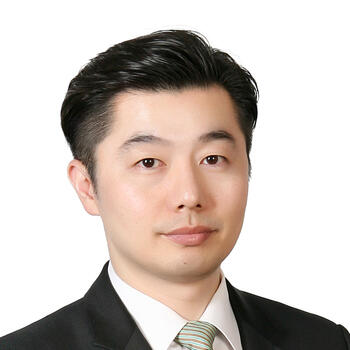
Dr. Ngoc Minh Pham, the 2014-15 Stanford-APO Developing Asia Health Policy fellow with the Stanford Asia Health Policy Program, is a health professional with teaching and research experiences in epidemiology and public health in Vietnam and Japan. He obtained his MD degree from Thai Nguyen University of Medicine and Pharmacy - Vietnam in 1997, MPH from The University of Melbourne - Australia in 2004, and PhD from Kyushu University - Japan in 2011. His main interests are public health, disease prevention and the rural-urban divide in developing countries, including the epidemiology of lifestyle-related diseases including diabetes, metabolic syndrome, cancer, insulin resistance and mental illness. At Stanford, Pham is studying the epidemiology of diabetes and developing a conceptual framework for diabetes prevention and management in Vietnam, particularly in mountainous areas of that country.

Philippines Conference Room

Encina Hall Central, 3rd Floor

616 Serra Street, Stanford University

Stanford, CA 94305

Ngoc Minh Pham 2014-15 Stanford-APO Developing Asia Health Policy fellow with the Stanford Asia Health Policy Program
Seminars
-

Whereas Korean health insurance achieved universal coverage of population in 1989, out-of-pocket (OOP) payments has been a major concern because it is as high as about 35% of total health expenditure. Several policies to expand the benefit coverage of National Health Insurance (NHI) were implemented around the year 2005; for example, cost sharing of 20~50% was reduced to 10% for catastrophic illnesses; ceiling on OOP payment was implemented for covered services. This study analyzed the extent to which the policy of expanding benefit coverage for cancer patients reduced income-inequality in health care utilization, the use of tertiary care hospital, and catastrophic payment. Using nationwide claim data of NHI, this study is based on the triple difference estimator to compare cancer patients as a treatment group with liver disease or cardio-cerebrovascular disease as control groups and low-income group with the highest-income group. The results showed that the utilization of outpatient and inpatient services increased more (or decreased less) among low-income patients than high-income ones after the introduction of the policy. For the use of tertiary care hospitals, inpatient admissions increased more in low-income cancer patients than those of high-income ones, but not outpatient visits. While catastrophic payment decreased among cancer patients, high-income cancer patients experienced a greater decrease than those of low income did. Although Korea expanded benefits coverage for catastrophic illnesses, policy debates continue due to insufficient financial protection, which also depends on provider behavior and potential demand inducement associated with the provision of uncovered services and specialist services with high fees. Politics of increasing benefits coverage in Korean NHI will be discussed too.


Image
soonman kwon 074x4
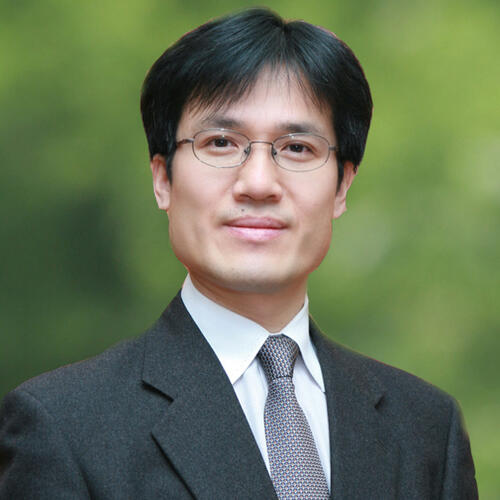
Soonman Kwon is Professor and Former Dean of the School of Public Health, Seoul National University, South Korea. After he received Ph.D. from the Wharton School of the University of Pennsylvania, he was assistant professor of public policy at the University of Southern California in 1993-1996. Prof. Kwon has held visiting positions at the Harvard School of Public Health, London School of Economics, and University of Toronto. He was the president of the Korean Association of Schools of Public Health in 2013-2014 and is the Presidents-Elect of Korean Health Economic Association and Korean Gerontological Society. Prof. Kwon has been on the editorial boards of Social Science and Medicine, Health Economics Policy and Law, BMC Health Services Research, and Ageing Research Reviews. He was the editor of the Korean Journal of Public Health in 2007-2009 and currently the editor of the Korean Journal of Health Economics and Policy.


Image
sujin kim4x4
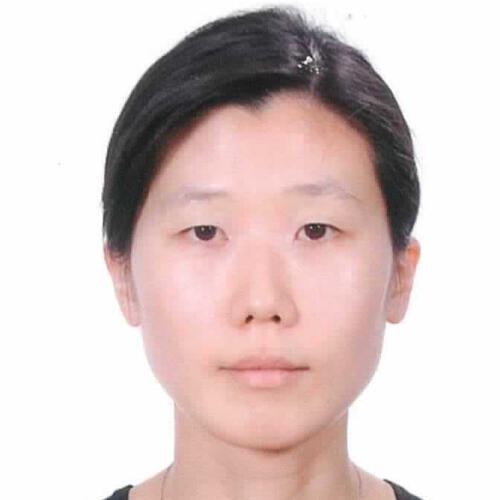
Sujin Kim is a Takemi fellow in Harvard School of Public Health, interested in how public policy impacts health, health care utilization and health inequality. Sujin currently does research on the role of public policy in elderly depression, impact of health screening policy, and the impact of pharmaceutical pricing policy on provider’s behavior. She has published papers in Health Policy and International Journal of Health Care Finance and Economics. She received her Ph.D. in health policy and management in 2013 from Seoul National University, where she analyzed how policy of expanding NHI benefit coverage in Korea affected inequalities in health care utilization and expenditure. She received M.P.H. in health policy and management and B.Pharm in pharmacy from Seoul National University in 2008 and 2001, respectively.


Presentation
Download pdf

Philippines Conference Room

Encina Hall Central, 3rd Floor

Stanford University

Stanford, CA 94305

Soonman Kwon Professor and Former Dean of the School of Public Health, Seoul National University
Sujin Kim Takemi Fellow at the Harvard School of Public Health
Seminars
News Type
Commentary
Date
Paragraphs

China’s State Council has put forth draft legislation that would ban smoking in public spaces, part of the government’s larger advocacy efforts to help curb tobacco use nationwide. Matthew Kohrman, a professor of anthropology at Stanford University, said it’s a step forward but the ban’s long-term success would depend on local enforcement.

Despite popular belief, global cigarette production has tripled worldwide since the 1960s. Leading the surge has been China.

“China has become the world’s cigarette superpower,” said Kohrman, in an interview on National Public Radio’s program, Marketplace.

Moreover, local governments in China have become dependent on tax revenues generated from tobacco sales, thus reinforcing the cigarette’s ubiquity and ease of access.

China has implemented smoking bans in the past, but with varied success. Now rising healthcare costs caused by tobacco-related diseases are creating urgency for new regulations.

“Whether or not these new regulations will be enforced will, in the end, come down to local politics,” he said.

Matthew Kohrman is part of the Asia Health Policy Program at the Shorenstein Asia-Pacific Research Center, and leads the project, Cigarette Citadels, a peer-sourced mapping project that compiles more than 480 cigarette factories globally.

The full audioclip is available on the Marketplace website.

Hero Image
cigarettesinshantou flickr mertonwilton
A cigarette stand in Shantou, China.
Flickr/Merton Wilton
All News button
1
News Type
News
Date
Paragraphs

A middle class is emerging in China, and simultaneously, its population is rapidly aging. These two phenomena are impacting the country’s traditional consumer habits, including spending on healthcare. Experts say private-sector services are one important part of the future of China’s healthcare system, and perhaps also a sign of what’s to come for other countries in the region. Entrepreneurs can provide innovative services that cater widely to consumers and support a shift toward integrated care for health promotion and long-term management of chronic disease, also supplementing resources available in traditional public facilities.

Three experts visited the Walter H. Shorenstein Asia-Pacific Research Center and shared perspectives on those trends at the panel discussion, “Healthcare Entrepreneurs in East Asia: Innovations in Primary Care and Beyond,” hosted by the Asia Health Policy Program.

Historically, healthcare services in China have been almost entirely government-run. A patient would go to a public clinic, stand in a queue, and receive treatment within a few hours – being referred elsewhere if additional treatment was required.

Now, the private sector is growing, based on the promise of improved care and an enhanced experience, both removing the waiting line and ushering in new technologies. The government has also issued several policies encouraging “social capital” investment in health and fitness services.

The private sector for preventative care services now holds around fifteen percent of the entire marketplace in China, and “is expected to get much bigger over the next five years,” said Lee Ligang Zhang, the founding chairman and chief executive officer of iKang, a healthcare group based in Beijing.

Zhang oversees the company’s operation of 50 self-owned healthcare centers and an extended network of 300 affiliates. iKang is one of many groups catering to a growing consumer base of corporate workers and senior managers seeking care outside of the public system.

Comparative view

Increased development of premium healthcare facilities is not only emerging in China, but also in neighboring Taiwan. Since 1995, Taiwan implemented a national health insurance system, and has been lauded for its success in service provision.

Taiwan transitioned its healthcare market to universal coverage. Under this system, a patient can essentially “shop around” and select where to go for services, most of which are covered under the country’s insurance collective system at public or private providers.

“On average, every Taiwanese goes to see a doctor 14 times a year, compared to five times a year in the United States, and two times [a year] in China,” said Dr. Fred Hun-Jean Yang, a physician and chairman of MissionCare, Inc.

Such numbers reflect the higher availability of services compared to China, he said. Even as a small island, Taiwan has over 15,000 clinics and the price for services is generally affordable for the average citizen. Despite this availability of public and private services, Taiwan’s newer healthcare entrepreneurs seek to fill a market demand shaped by similar factors as in China. Yang says technology and the efficiency of the private sector healthcare system is attracting new consumers.

Missioncare is headquartered in northern Taiwan’s Taoyuan City and consists of four community hospitals with a larger network of clinics across the country as well as coordinated long-term care services for the elderly and those with chronic disease. The group has already expanded into China, and plans to integrate healthcare innovations, such as wearable monitoring and mobile payment.

Patient-centric service

Chinese citizens, particularly those with greater expendable income, are more willing to pay out-of-pocket for an improved patient experience, the panelists said.

“The consumer psyche is important,” said Dr. Wei Siang Yu, the founder of the Borderless Healthcare Group (BHG), a group of companies based in Singapore that focuses largely on health telecommunications.

One perspective is that consumers desire a “high-end” environment made possible by tailored design aesthetics and effective branding. Guided by this trend, Yu, a business executive and physician by training, started the “smart cities, smart homes” initiative at BHG.

BHG is now launching an incubator model in Shanghai, which combines intelligent design aesthetics with patient care, and is planning to localize such centers across China. The model is referred to as an “experience center,” rather than a hospital or clinic, and healthcare services – examinations, operations and value-added activities like wellness and education activities – are all centralized in one location.

Looking ahead, Yu said healthcare is likely to move even further away from the traditional hospital setting, and more toward experiential and home-based care models.

Hero Image
entrepreneurs panel
(L to R): Wei Siang Yu, founder of Borderless Healthcare Group; Lee Ligang Zhang, chairman and CEO of iKang Healthcare Group; and Fred Hung-Jen Yang, chairman of Missioncare, Inc. discuss healthcare innovation at the Walter H. Shorenstein Asia-Pacific Center.
All News button
1
-

Rapid urbanization has led to an enormous influx of people in China migrating from rural to urban areas. Professor Hai Fang will talk about health care disparities in the management of hypertension in China for rural-to-urban migrants and understand the role of health insurance in affecting these disparities. Rural-to-urban migrants are compared to residents remaining in the rural areas. Hypertension management means whether one individual is aware of his or her hypertension, and (if being aware) whether they use medication treatment, monitor blood pressure, receive physician advice, or control blood pressure to the normal range.  Professor Fang and his co-authors find that rural-to-urban migrants had worse hypertention management than residents permanently living in rural or urban areas.  These findings suggest that it is critical to extend urban health insurance coverage and primary care services to rural-to-urban migrants, and further integrate rural and urban health insurance plans to achieve universal coverage in China.

Professor Hai Fang is currently a Professor of Health Economics at the China Center for Health Development Studies at Peking University in China.  He is also a research associate at the Kennedy School of Government at Harvard University.  He graduated from Tianjin University (BA) and Nankai University (MA), and received his MA and PhD in Economics, and Master in Public Health from the State University of New York at Stony Brook.

Migration, Health Insurance and Health Care Disparities: Evidence from Hypertension Management in China
Download pdf

Philippines Conference Room

Encina Hall Central, 3rd Floor

Stanford, CA 94305

Hai Fang Professor of Health Economics Professor of Health Economics, Peking University
Seminars
-

Japan has experienced pronounced population aging, and now has the highest proportion of elderly adults in the world. Yet few projections of Japan’s future demography go beyond estimating population by age and sex to forecast the complex evolution of the health and functioning of the future elderly. This study adapts to the Japanese population the Future Elderly Model (FEM), a demographic and economic Markov microsimulation model that projects the health conditions and functional status of Japan’s elderly population in order to estimate disability, health, and need for long term care. We develop the model based on the recently released multiple waves of the Japan Study of Aging and Retirement (JSTAR) survey, the Japanese version of the Health and Retirement Study-like family of internationally comparable surveys. Using detailed data on a panel of Japanese aged 50-75 starting in 2007, we tailor the health transition matrix of the FEM model to the Japanese context, estimate conditional mortality probabilities consistent with Japanese national vital statistics, and use a state-transition Markov model to project trends in the disability and functioning of Japan’s future elderly population.

Brian K. Chen is Assistant Professor in the Department of Health Services Policy and Management at the Arnold School of Public Health at the University of South Carolina. A health economist, Brian completed his Ph.D. in business administration in the Business and Public Policy Group at the Haas School of Business, University of California at Berkeley. Before beginning his current faculty position at the University of South Carolina, Dr. Chen was the 2009-2010 postdoctoral fellow in Asian Health Policy at Shorenstein Asia-Pacific Research Center, and earned a Juris Doctor from Stanford Law School in 1997.

Philippines Conference Room

Encina Hall Central, 3rd Floor.

Stanford, CA 94305


Brian K. Chen, J.D., PhD Assistant Professor, Department of Health Services Policy and Management, Arnold School of Public Health University of South Carolina
Hawre Jalal, PhD Postdoctoral Research Fellow, Primary Care and Outcome Research Stanford University School of Medicine
Michael Hurley Stanford School of Medicine
Lena Shoemaker Research Associate, Center for Health Policy/Center for Primary Care and Outcomes Research Stanford University
Jay Bhattacharya, MD, PhD Associate Professor Stanford School of Medicine
Seminars
-

AHPP and CEAS joint event

Three distinguished healthcare entrepreneurs will share their experiences in adding value within health systems of East Asia. Mr. Zhang, founder of iKang Healthcare Group, Inc., will share his experience with merging traditional healthcare with a versatile online platform to build a preventative healthcare service network in China. Dr. Yang will share his experience in Taiwan and China to analyze opportunities in China, and use a case study of MissionCare to exemplify Value-driven Business Transformation. Dr. Wei will share his vision for Borderless Healthcare Group.

Image
Mr. Lee Ligang Zhang has been a successful entrepreneur and business executive since 1998, bringing his knowledge and acumen to a number of companies in his professional career that range from healthcare to the Internet. Mr. Zhang founded iKang Healthcare Group, Inc. (“iKang”) in December 2003, successfully merging traditional healthcare with a versatile online platform to build a preventative healthcare service network that spanned the entire country. This “anytime, anywhere” network was to become the blueprint for the industry that transformed how customers accessed healthcare services in China. Since its inception, Mr. Zhang has been serving as its Chairman and Chief Executive Officer, and has overseen many important milestones in its lifetime. iKang was listed on the NASDAQ on April 9, 2014 and is currently the largest provider in China's fast growing private preventive healthcare services market, accounting for approximately 12.3% of market share in terms of revenue in 2013.

Prior to iKang, Mr. Zhang was a co-founder of eLong.com, a NASDAQ-listed online travel service company, and served as CEO of its China operation from 1999 to 2003. From 1998 to 1999, Mr. Zhang served as head of product development at Sohu.com, a leading NASDAQ-listed Chinese Internet company. Mr. Zhang founded the Harvard China Review in 1997 and co-founded the Harvard China Forum in 1998 while studying at Harvard University.

Mr. Zhang studied biology as an undergraduate student at Fudan University in China, and went on to receive a bachelor's degree in biology and chemistry from Concordia College in the US before obtaining a master's degree in genetics from Harvard University. Mr. Zhang has been a member of the Harvard Graduate School of Arts and Science Alumni Association Council since 2005, and also serves as Vice President of the Harvard Club of Beijing and the Shanghai Alumni Association at Fudan University.

Image
Dr. Fred Hung-Jen Yang is a physician executive and is currently Chairman of MissionCare Inc,, and President of Healthcare Corporation of Asia, a company that owns and operates four community hospitals and seven long-term care facilities in northern Taiwan.

After graduating from National Taiwan University Medical School with an MD degree in 1994, Fred chose to pursue a career in healthcare management.  He earned a Master of Public Health (MPH) degree from Harvard in 1995 and an MBA from the Drucker School of Management at Claremont Graduate University, CA in 1997. Before going back to Taiwan in 1998, he worked as a financial analyst for Tenet Healthcare System, the second largest hospital chain in the US. He is currently a candidate in the doctorate program of Johns Hopkins Doctor of Public Health Part-time Program.

Since 1998, Dr. Yang has been actively serving  the MissionCare Group in many important capacities, such as Chief Financial Officer, Chief Operation Officer and, Chief Executive Officer.

Over the past ten years, Dr. Yang has made significant contributions not only to his company but also to the healthcare industry in Taiwan. Under his leadership, MissionCare became Taiwan’s first JCI accredited hospital, hence helping to elevate Taiwan’s healthcare quality to a higher level.

In addition to hospital management, Dr. Yang also excels at health economics, financial engineering and strategic management. In 2010, he received an Ernst & Young Taiwan Entrepreneur Award for conducting the successful listing of his company on the Taipei OTC, making it the only hospital group listed in Taiwan.

Image
Dr. Wei Siang Yu is a globally renowned pioneer in healthcare TMT (Technology, Media and Telecommunication). He is the founder of Borderless Healthcare Group of companies which operates borderless healthcare initiatives around the world. Dr. Wei graduated as one of the top students at Monash Medical School in 1995 and went against the conventional career path of an honours student to become a medical inventor in the space of digital bio-communication. He gained worldwide recognition in his work on social application of digital bio-communication and became the youngest nominee of CNN People Choice Award in 2003. Dr. Wei’s work was featured by international media all around the world including Discovery Channel, CNN, BBC, Fox News, CNBC, ABC, Time, Wired, ZDF German TV, ARTE French TV, Japan TV, Yomiuri Shimbun, Korean SBS TV, Figaro, Asian Wall Street Journal, Washington Post, Guardian UK, LA Times, Channel News Asia, Age, Sunday Times UK, Newsweek, Tatler, Bazaar, Marie Claire New York, Glamour Paris etc. Today, Dr. Wei chairs the Borderless Healthcare Group of companies with the key role of converging global healthcare practices with technology, media and telecommunication applications via strategic partnerships and merger & acquisition.

Philippines Conference Room

Encina Hall Central, 3rd Floor.

Stanford, CA 94305


Mr. Lee Ligang Zhang Chairman and CEO, Ikang Healthcare Croup, Inc.
Dr. Fred Hung-Jen Yang Chairman, MissionCare, Inc
Dr. Wei Siang Yu Founder, Borderless Healthcare Group
Seminars
-
Little empirical evidence exists on the health costs of air pollution in China, one of the most polluted countries in the world. Unsurprisingly, the lack of reliable data on pollution levels and health outcomes impede research. Because the pollution-health relationship is likely non-linear, it is difficult to extrapolate from existing high quality studies in developed countries to ascertain health costs. We address this deficiency by obtaining new data on Beijing’s daily mortality April 2008-April 2013 from the Chinese Center for Disease Control and Prevention. We combine these data with daily pollution measures from the US Embassy in Beijing, which records particulate matter of 2.5 microns or less in width (PM 2.5). We find that after controlling for weather conditions, year, month, and day of week fixed effects, daily PM2.5 indeed predicts daily mortality, particularly deaths from cardiovaslular disease. A 100 μg/m3 increase in daily PM2.5 is associated with 7 deaths daily, among them 4 cardiovascular deaths, and 0.8 respiratory deaths. Furthermore, deaths among less-educated and outdoor workers show a stronger relationship to PM2.5 levels. Notably, the relationship is robust to controlling for the official measure of Beijing’s air pollution, the average daily air pollution index (API), despite the fact that PM2.5 is measured by 1 monitor at the US embassy whereas API (and mortality) combine data from across the Beijing metropolitan area. Indeed, Beijing’s API does not have a significant relationship to mortality once AQI at the Embassy is accounted for. Our finding supports previous research arguing for measuring PM 2.5 and reporting it promptly to the public. 
 
Shuang Zhang is an assistant professor in the Department of Economics at University of Colorado Boulder. She works on various topics in development, including health, education, environment, political economy, etc,. with a focus on China. She holds a PhD in Economics from Cornell University and was a postdoctoral fellow in SIEPR of Stanford University in 2012-13.

Philippines Conference Room

Shuang Zhang assistant professor in the Department of Economics Speaker University of Colorado Boulder
Seminars
Paragraphs

Between 1950 and 1980, China experienced the most rapid sustained increase in life expectancy of any population in documented global history. We know of no study that has quantitatively assessed the relative importance of the various explanations proposed for this gain in survival. We have created and analysed a new, province-level panel data set spanning the decades between 1950 and 1980 by combining historical information from China's public health archives, official provincial yearbooks, and infant and child mortality records contained in the 1988 National Survey of Fertility and Contraception. Although exploratory, our results suggest that gains in school enrolment and public health campaigns together are associated with 55–70 per cent of China's dramatic reductions in infant and under-5 mortality during our study period. These results underscore the importance of non-medical determinants of population health, and suggest that, in some circumstances, general education of the population may amplify the effectiveness of public health interventions.

Mao Mortality Analysis Data (Stata File)

All Publications button
1
Publication Type
Journal Articles
Publication Date
Journal Publisher
Population Studies (Cambridge)
Authors
Karen Eggleston
Number
1
Subscribe to Health and Medicine